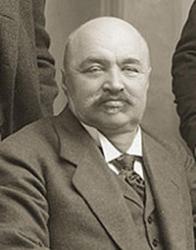
Antiochus IV Epiphanes
- Syrian King Antiochus IV Epiphanes: A Life in Ancient History
- Birth and Early Life
- Life in Rome and Conflict
- Accession to the Throne and Hellenization Policies
- Military Reforms and Expansion
- Relations with Athens and Greek Cities
- Downfall and Legacy
- Family and Descendants
- Assessment and Impact
Syrian King Antiochus IV Epiphanes: A Life in Ancient History
Antiochus IV Epiphanes, a Seleucid king of Macedonian origin, reigned over Syria from 175 to 164 BCE. His reign, marked by Hellenization policies, military reforms, and foreign expeditions, plays a significant role in ancient history.
Birth and Early Life
Born around 215 BCE as Mithridates, Antiochus IV was the third son of King Antiochus III the Great. As the youngest brother, his chances of succeeding to the throne were initially slim. However, the untimely deaths of his older brothers paved the way for his eventual accession.
Life in Rome and Conflict
Following his stay in Rome as a hostage, Antiochus returned to Syria where he found his homeland in turmoil. His father had been killed and his brother, Seleucus IV Philopator, was struggling to maintain control. Antiochus played a pivotal role in stabilizing the kingdom and quelling internal unrest.
Accession to the Throne and Hellenization Policies
In 175 BCE, Antiochus IV became regent to his young son. As regent, he assumed full powers and embarked on ambitious policies to strengthen his authority. One of his primary goals was to Hellenize the population of Syria and Mesopotamia. He promoted Greek culture, encouraged the building of cities, and granted privileges to those who embraced Hellenism.
Military Reforms and Expansion
Antiochus IV sought to reinvigorate the military strength of the Seleucid kingdom. He initiated reforms, aiming to restore the army to its former glory. He also expanded the Seleucid empire, engaging in campaigns against neighboring kingdoms.
Relations with Athens and Greek Cities
Antiochus IV had a special affinity for Athens, where he had spent time as a hostage. He showed great generosity towards the city, supporting the construction of temples and granting privileges to its citizens. His patronage extended to other Greek cities outside his domain.
Downfall and Legacy
In 164 BCE, Antiochus IV's reign came to an abrupt end. While there are different accounts of his death, one version suggests he succumbed to illness after an unsuccessful attempt to loot a temple. His demise marked the beginning of a period of decline for the Seleucid kingdom.
Family and Descendants
Antiochus IV's marriage to Laodice IV produced two children: Antiochus V Eupator, who succeeded him as king, and Laodice VI, who later married the Pontian king Mithridates V. His relationship with a concubine, Antiochis, resulted in the gift of the cities of Tarsus and Mallus, an act that sparked unrest.
Assessment and Impact
Antiochus IV's reign was a complex and influential period in Seleucid history. His Hellenization policies, military reforms, and relations with Greece had a lasting impact on the region. His death ushered in a decline for the Seleucid kingdom, but his legacy continues to be debated and re-evaluated in the annals of ancient history.