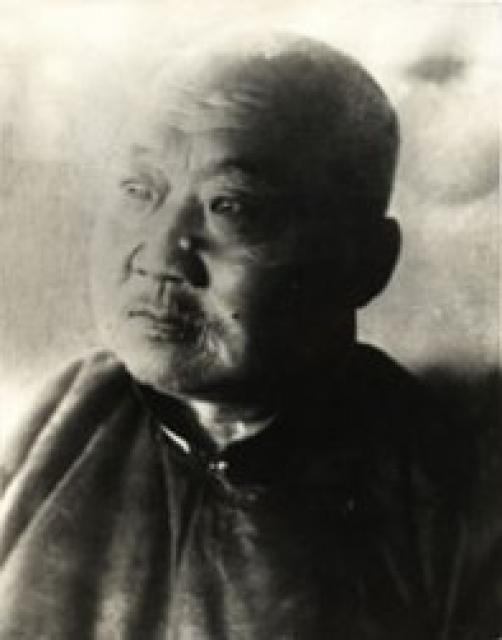
Balingiin Tserendorj
 Mongolia
- Early Life and Career
- Ministry of Foreign Affairs
- Chinese Occupation and Liberation
- Premiership and Diplomatic Efforts
- Resignation and Legacy
Early Life and Career
Tserendorj was born into a family of shabinars, who served the Bogdo Gegen's Shabinar Department (present-day Selenge Province). He was fluent in Manchu, Chinese, and Russian, and served as a translator at the Manchu court from 1885 to 1911.
Ministry of Foreign Affairs
After the 1911 Mongolian Revolution, Tserendorj joined the newly formed Ministry of Foreign Affairs. In 1913, he was appointed Deputy Minister and soon became Minister. During this time, he played a key role in the three-way Kyakhta Conference in 1914-1915.
Chinese Occupation and Liberation
Following China's occupation of Urga, Tserendorj and Prime Minister Badamdori signed an appeal to the Chinese government for Mongolian citizenship. However, after the city was liberated by Ungern-Sternberg's Asian Division, Tserendorj remained in the government.
Premiership and Diplomatic Efforts
After the People's Army captured Urga, Tserendorj became Vice Minister of Foreign Affairs again. Accompanying Sukhe-Bator to the Soviet Union, he negotiated an agreement recognizing Mongolia's sovereignty.
On September 18, 1923, Tserendorj was appointed Prime Minister of the Mongolian People's Republic (MPR) and elected to the Presidium of the Mongolian People's Revolutionary Party (MPRP). He led the commission that drafted the constitution adopted after Bogd Khan's death.
Tserendorj pursued diplomatic recognition and established relations with European powers, Japan, and the United States, despite criticism from the Comintern and radical party members.
Resignation and Legacy
Feeling unable to manage the rapid social and economic changes in Mongolia, Tserendorj resigned in 1927. However, the MPRP Central Committee refused to accept his resignation. His health continued to decline, and he passed away on February 13, 1928.