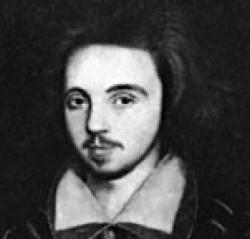
Antoine Houdar de la Motte
 France
- Early Life and Debut
- Return to Literature and Rise to Prominence
- The Homeric Controversy
- Later Years and Legacy
Early Life and Debut
Antoine Houdar de La Motte(1672-1731) was a renowned French poet, драматург, and librettist. He made his literary debut in 1693 with the comedy "Les Originaux," which unfortunately failed in its initial production. Disheartened by this setback, La Motte abandoned his writing career and entered the Trappist monastic order.
Return to Literature and Rise to Prominence
Four years later, La Motte returned to literature, focusing on librettos for operas and ballets. Most notably, he wrote the libretto for André Campra's opera-ballet "L'Europe galante" (1697). He later ventured into tragedy, with his most successful work being "Inès de Castro" (1723), based on the play by Camoens. This work was praised for its comparison to the esteemed Corneille's plays.
La Motte's fables and odes also gained popularity. In his later years, he engaged in extensive correspondence, particularly with Bernard Fontenelle. The publication of this correspondence cemented La Motte's reputation as a free-thinking and elegant stylist.
The Homeric Controversy
La Motte's Homeric Controversy:One of the most significant chapters in La Motte's career was the Homeric controversy. Following the publication of Anne Dacier's prose translation of the Iliad in 1699, La Motte produced a verse translation in 1714 that was dramatically abridged and altered. In his accompanying "Discours sur Homère," La Motte argued that modern literature had surpassed antiquity and that classical masterpieces should be adapted for contemporary audiences.
Dacier's response in her pamphlet "Des Causes de la Corruption du Goût" (1714) was highly critical. La Motte responded with "Réflexions sur la Critique" (1716), supported by Jean Terrasson's philosophical arguments. The debate was ultimately resolved by Claude Buffier in his "Homère en Jugement," which acknowledged the merits of both sides and suggested that Homer's own genius was not diminished by these literary alterations.
Later Years and Legacy
Later Years and Legacy:In 1710, La Motte was elected to the prestigious Académie Française. He continued to write and correspond until his death in 1731. His work remains influential, and he is remembered as a significant figure in French literature and the debate over the interpretation of classical texts.