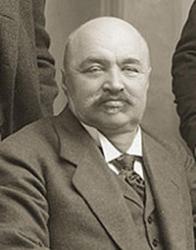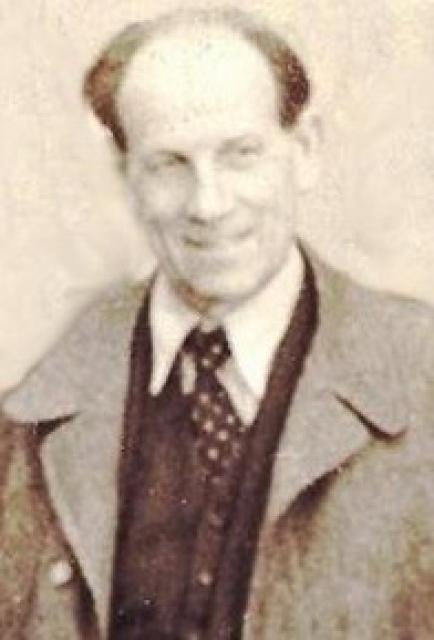
Antonin Zapotocky
 Czech
Czech- Anto?ín Zapotocký: A Life in Communism
- Early Life and Political Beginnings
- Political Ascent and the Second World War
- Post-War Role and Repression
- Presidency and Legacy
Anto?ín Zapotocký: A Life in Communism
Anto?ín Zapotocký was a prominent Czechoslovak communist and statesman who served as the country's Prime Minister from 1948 to 1953 and President from 1953 to 1957.
Early Life and Political Beginnings
Born in 1905 to a Czech social democrat, Zapotocký joined the Czechoslovak Social Democratic Workers' Party (CSDRP) in 1900. As a member of the party's left wing, he played a key role in the founding of the Communist Party of Czechoslovakia (KPC) in 1921. He was elected to the KPC Central Committee, serving as its secretary from 1922 to 1929.
Political Ascent and the Second World War
Zapotocký became a member of the KPC's Politburo (later Presidium) in 1929, a position he held until 1939 and again from 1945 onward. During the Second World War, he was arrested by the Nazis and imprisoned in the Sachsenhausen concentration camp, where he was a kapo (prisoner foreman).
Post-War Role and Repression
After the war, Zapotocký returned to Czechoslovakia and worked closely with KPC First Secretary Klement Gottwald to establish a communist regime. He played a leading role in the repression and show trials of political opponents, including Rudolf Slánský.
Presidency and Legacy
Following Gottwald's death in 1953, Zapotocký became President of Czechoslovakia. He continued the repressive policies of his predecessor, but also abolished show trials. Despite his rejection of public executions, his regime continued to suppress dissent, with Gustáv Husák being convicted in 1954.
Zapotocký's legacy remains controversial. He was a staunch communist who oversaw a period of political repression, but also attempted to introduce some reforms and reduce the severity of the regime. He died in 1957, leaving a complex and contested mark on Czechoslovak history.