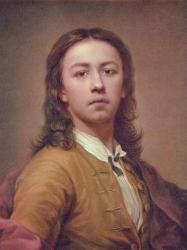
Antonis Deyk
 Netherlands
- Antonis van Dyck: Flemish Master of Portraiture
- Collaboration with Rubens
- Travels and Influence
- Return to Antwerp
- Royal Patronage in London
- Return to Antwerp and Later Years
- Artistic Legacy
- Portraits of Women and Children
- Portraits of English Court
- Death and Legacy
Antonis van Dyck: Flemish Master of Portraiture
Early Life and EducationAntoon van Dyck, born on March 22, 1599, in Antwerp, began his artistic journey at age eleven as an apprentice to Hendrick van Balen. At nineteen, he was accepted as a master into the Guild of Saint Luke.
Collaboration with Rubens
From 1617 to 1620, Van Dyck worked alongside the renowned Peter Paul Rubens, developing his distinctive style known for its virtuoso brushwork and restrained palette.
Travels and Influence
After a brief visit to England (1620-1621), Van Dyck embarked on a six-year sojourn in Italy, where he honed his skills through portraits and paintings on religious and mythological themes. His album of sketches, preserved in Chatsworth, showcases his close study of Venetian masters.
Return to Antwerp
Upon his return to Antwerp in 1627, Van Dyck established a successful career. However, in 1632, he relocated to London, initiating the pinnacle of his career.
Royal Patronage in London
Van Dyck's arrival in London coincided with the reign of King Charles I, who appointed him "Principal Painter in Ordinary to His Majesty." He enjoyed immense success, receiving a knighthood and producing numerous portraits of the British court.
Return to Antwerp and Later Years
In 1634, Van Dyck traveled back to Antwerp for a year. Following Rubens's death in 1640, he returned to the continent. During his final year, he divided his time between Antwerp, Paris, and London.
Artistic Legacy
Van Dyck's religious and mythological compositions exude sensuality and grace. His muted and nuanced color palette influenced various artists, including Murillo, Watteau, and Gainsborough. However, his true brilliance lies in his portraiture.
Portraits of Women and Children
Van Dyck's portraits, particularly those of women and children, are notable for their delicate beauty and sensitive rendering. The portraits of Genoese nobles exemplify aristocratic elegance.
Portraits of English Court
Van Dyck's portraits of Charles I's court capture the intricate complexities of a society torn between high ideals and reckless abandon. His works mirror the conflicts that would eventually lead to disaster.
Death and Legacy
Antonis van Dyck died in London on December 9, 1641. His legacy as a Flemish master endures, with his portraits continuing to inspire and captivate audiences worldwide.