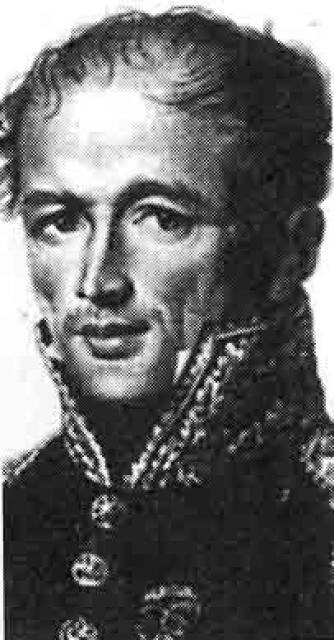
Antuan Druo
 France
- Biography of Antoine Drouot
- Early Military Career
- Service in the Imperial Guard
- Accomplishments in Spain and Austria
- Later Years and Legacy
Biography of Antoine Drouot
Antoine Drouot was a prominent figure in the French military during the Napoleonic era. Born on October 24, 1813, he held the titles of Count, Baron, and Divisional General. Despite his noble titles, Drouot came from humble beginnings as the son of a baker.
Early Military Career
Drouot began his military service in 1793 as a sub-lieutenant at the artillery school in Metz. He quickly rose through the ranks and became a 2nd lieutenant in the 1st artillery regiment of the Army of the North in July 1792. Over the next few years, he fought in various campaigns, including the Sambre-Meuse campaign in 1794-1796 and the Rhine campaign in 1797 and 1800-1801. Drouot proved himself to be a brilliant artillery officer and played key roles in battles such as Fleurus (1794), Trebbia (1799), and Hohenlinden (1800).
Service in the Imperial Guard
In 1803-1804, Drouot served in the 14th company of the 1st infantry artillery regiment. He then went on to become an inspector of military factories in Moblaje from November 20, 1805. Drouot's career continued to flourish as he became a major in the 3rd infantry artillery regiment on January 19, 1807, and later assumed the role of inspector of military factories in Charleville on September 3, 1807.
Accomplishments in Spain and Austria
On February 24, 1808, Drouot was appointed director of artillery parks for the Army of Spain. He demonstrated his exceptional leadership and bravery during battles in Spain (1808-1809) and Austria (1809), most notably at the Battle of Wagram where he was wounded. Drouot was promoted to senior colonel of the infantry artillery of the Imperial Guard on July 9, 1809, and played a significant role in the French invasion of Russia, distinguishing himself at the Battle of Borodino.
Later Years and Legacy
Drouot's achievements continued to be recognized, and on January 10, 1813, he was promoted to brigadier general and appointed to the emperor's entourage on January 26. He led the artillery of the Imperial Guard at the battles of Weissensee and Lutzen and further solidified his reputation as a skilled commander at the battles of Bautzen and Wavre. In the Battle of Hanau on October 30, 1813, Drouot's forces decisively defeated Bavarian troops.
After Napoleon's abdication, Drouot accompanied him to the island of Elba, where he served as the governor. However, he was adamantly against Napoleon's return to France and left the island with him on February 26, 1815. Drouot played a major role in the Battle of Waterloo on June 18, 1815, commanding the Imperial Guard and leading the final attack alongside General Friant.
Following the restoration of the Bourbon monarchy, Drouot fell out of favor and was included in the proscription lists on July 24, 1815. Despite facing trial by the military court, Drouot conducted himself with such nobility that he was acquitted on April 6, 1816. He retired to Nantes in 1816 and dedicated himself to agriculture, refusing any offers of positions or pensions.
Napoleon held Drouot in high regard, considering him the "first officer of his kind of weapon." In his will, Napoleon bequeathed Drouot 100,000 francs, which Drouot selflessly spent on charitable causes. Antoine Drouot remains remembered as a brilliant artillery officer and a loyal servant to Napoleon during one of the most tumultuous periods in French history.