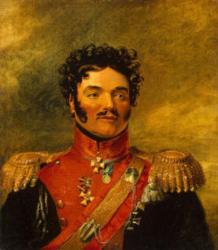
Shamil
 Azerbaijan
- Birth and Early Life
- Childhood and Education
- Spiritual Development
- Call to Action
- Rise to Prominence
- The Caucasian War
- Death of Ghazi Magomed
- Second Imamate
- Russian Invasion
- Military Prowess
- Intellectual and Spiritual Leader
- Capture and Death
- Legacy
Birth and Early Life
On June 26, 1797, Shamila, the future ruler of Dagestan, was born in the Avar village of Gimry. His father, Dengar Magomed, a blacksmith, was overjoyed at the birth of his son. During the thanksgiving prayers, the infant's grandfather whispered the name Ali in his ear, according to Muslim custom.
Childhood and Education
Although initially frail, Shamila began to grow strong and displayed exceptional leadership qualities. He excelled in marksmanship and swordsmanship. Despite engaging in childhood pranks, he maintained high standards of conduct.
During his studies at a madrasa, Shamila's exceptional intellect was recognized. His teacher dismissed him from the school, declaring that he had nothing more to teach him.
Spiritual Development
Books became Shamila's constant companions, serving as both a source of knowledge and a guide for his spiritual growth. He became a devout follower of the Quran while embracing Sufism, a mystical Islamic tradition that emphasized intuitive knowledge and asceticism.
Call to Action
After a pilgrimage to his hometown, Shamila encountered a concerned Magomed, who declared the need for divine governance. Together, they resolved to establish a just society in the mountains.
Rise to Prominence
Shamila and Magomed traveled extensively, gaining support for their movement. In 1830, Magomed, now known as Ghazi Magomed, was elected the first Imam, or supreme ruler, of Dagestan.
The Caucasian War
The official declaration of a holy war (ghazawat) against Russia marked the beginning of the Caucasian War. Ghazi Magomed led the resistance, urging the mountaineers to fight for their faith and freedom.
Death of Ghazi Magomed
In 1832, during the siege of Gimry, Ghazi Magomed was killed in battle. Legend has it that Shamila, unwilling to surrender, jumped from a tower and was miraculously saved by an eagle.
Second Imamate
Shamila initially declined the Imamate but eventually accepted after pressure from the people. He assumed the role in 1834, recognizing the immense responsibility it carried.
Russian Invasion
Russian General Alexei Yermolov's brutal tactics aimed to subjugate the Caucasus. His policies of disunity and bloodshed sparked fierce resistance from Shamila and his followers.
Military Prowess
Shamila emerged as a brilliant military strategist. He established a well-organized army and used guerrilla warfare to resist Russian advances. His leadership inspired numerous victories and frustrated the Russian army.
Intellectual and Spiritual Leader
Beyond his military prowess, Shamila was a revered intellectual and spiritual guide. He wrote poetry, studied Islamic texts, and preached the principles of justice and equality.
Capture and Death
Despite his valiant resistance, Shamila was eventually captured by Russian forces in 1859. He spent the rest of his life in exile, where he remained a source of inspiration for the Dagestani people.
Legacy
Shamila remains a symbol of Dagestani independence and a legendary figure in Islamic history. His military achievements, spiritual guidance, and unwavering determination continue to inspire generations.