
Archie Shepp
 USA
USA- Archie Shepp: An Afro-American Jazz Legend
- Early Life and Musical Upbringing
- Professional Journey
- Recognition and Activism
- Later Career and Legacy
Archie Shepp: An Afro-American Jazz Legend
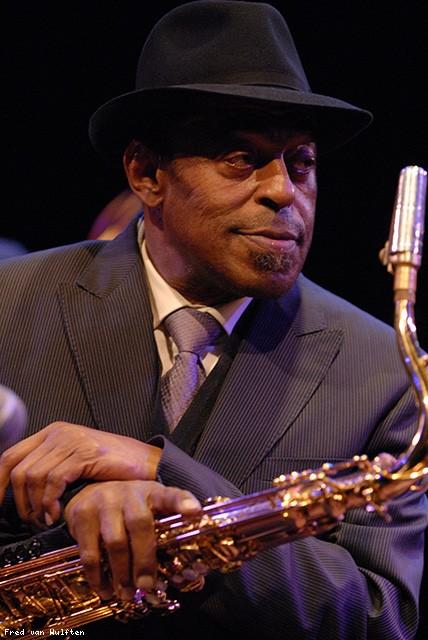
Archie Shepp, born in 1937 in Fort Lauderdale, Florida, is considered one of the pillars of the 1960s free jazz movement. As a representative of the so-called old school, his influence on contemporary jazz is undeniable. Many musicians today continue to draw inspiration from his music. Shepp's relevance and modernity have stood the test of time.

Early Life and Musical Upbringing
Shepp's family had a strong musical background. His father played the banjo, and his mother was a gospel singer. Growing up in Philadelphia, Pennsylvania, Shepp was surrounded by traditional American music and was exposed to various musical instruments from an early age. He learned to play the piano and clarinet before receiving a saxophone as a gift from his aunt.

Professional Journey
At 16, Shepp began playing in rhythm and blues bands. However, he was uncertain about pursuing a career as a professional musician and initially studied literature and drama at Goddard College. After completing his studies, Shepp moved to New York and attempted to establish himself as an actor. Although he did not find much success in acting, he started playing in Latin American orchestras and collaborated with avant-garde pianist Cecil Taylor, saxophonist John Tchicai, and other experimental jazz musicians. These projects played a significant role in Shepp's development as a world-class jazz musician.

Recognition and Activism
Shepp gained recognition after joining John Coltrane, a renowned jazz musician, at the Impulse Records studio in the mid-1960s. This period marked the beginning of Shepp's popularity as a sought-after studio musician. He released his own album, "Fire Music," in 1965, followed by several other studio recordings. Shepp's involvement in the cultural program of the Parisian student revolution of the late 1960s further solidified his reputation, as he actively participated alongside the members of the Art Ensemble of Chicago. Shepp's music became associated with political activism, and his concerts often included speeches and calls for accountability. His passion for civil rights and the struggles of African Americans was evident in his music and performances.
Later Career and Legacy
After 1985, Shepp began exploring blues programs and occasionally sang in addition to playing the saxophone. He served as a professor at the University of Massachusetts Amherst's music department for three decades, starting in 1971. Shepp later became a professor at the State University of New York, Buffalo. While he mellowed with time, his early works and their political and social significance remain highly regarded in the history of jazz.
Archie Shepp lived a profound jazz life, embodying the spirit of a "jazz rebel" during the first half of his career. However, he gradually shifted towards a more conciliatory approach. In his own words, "The music we played on the cusp of the '60s and '70s still resonates within me. But I step onto the stage and see fewer and fewer people who understand it as they did then. That's why I am less inclined to let it burst forth." Nevertheless, Shepp's music remains invaluable to the jazz canon, particularly his early compositions, which continue to inspire and shape the genre.


