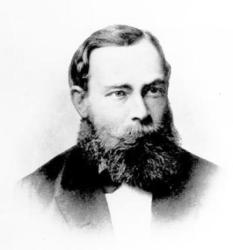
Aristipp
 Greece
- Aristippus of Cyrene: Ancient Greek Philosopher
- Sophistry and Inner Freedom
- Legacy and Controversies
- The Philosophy of Pleasure
- Criticisms and Debates
Aristippus of Cyrene: Ancient Greek Philosopher
Aristippus, also known as Aristippos, was an ancient Greek philosopher born in Cyrene around 435 BCE and lived until after 366 BCE. He was a student of Socrates in Athens and later worked as a sophist, teaching for money. For a period of time, he led a nomadic lifestyle and even spent time at the courts of Dionysius I and II in Syracuse. Towards the end of his life, it is believed that he returned to Cyrene, where he lived with his daughter Aretas.
Sophistry and Inner Freedom
Aristippus claimed that through his philosophy, he had achieved inner freedom, which allowed him to derive pleasure (hedone) from any life situation, regardless of material possessions. Unfortunately, his written works, which included dialogues and diatribes, have been lost. The teachings of Aristippus and anecdotes about him have mainly been preserved by Diogenes Laërtius, who created a collection in the early 3rd century BCE.
Legacy and Controversies
It is difficult to determine to what extent this doxographical tradition reflected Aristippus' own views. There is also debate on whether Aristippus should be considered the founder of the Cyrenaic school of philosophy or if that title should belong to his grandson Aristippus the Younger, also known as Metrodidaktos, who developed a comprehensive system of hedonism based on his grandfather's ideas.
The Philosophy of Pleasure
The central concept in Aristippus' ethical teachings was pleasure, understood in a bodily sense. He believed that true happiness (eudaimonia) is attained through the pursuit and mastery of pleasures. However, later Cyrenaics, such as Anniceris, Hegesias, and Theodorus, significantly modified these views. The school ceased to exist in the mid-3rd century BCE.
Criticisms and Debates
Plato held a negative view of Aristippus, particularly emphasizing his absence during Socrates' death in the Phaedo and criticizing Aristippus' hedonism (without explicitly naming him) in the Philebus. Xenophon portrayed Socrates engaging in debates with Aristippus in his memoirs of Socrates. Aristippus was also the main character in the works of Speusippus and Stilpo of Megara, who condemned his views and lifestyle.