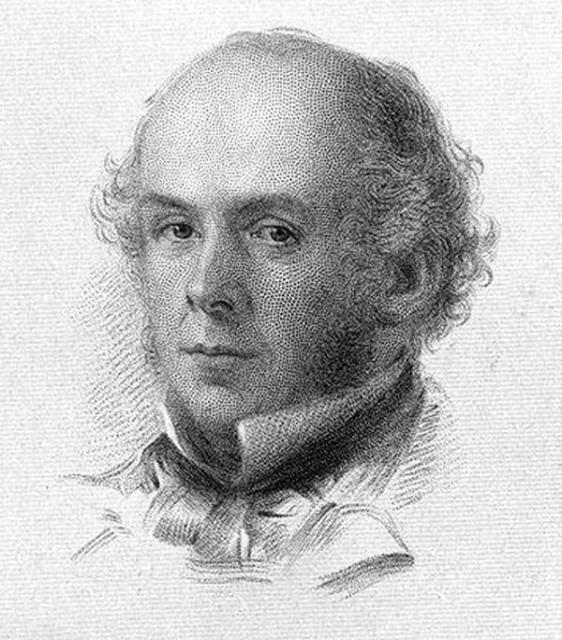
Arthur Hugh
 Great Britain
- Arthur Hugh Clough: A Victorian Polymath
- "Bothie of Tober-na-Vuolich": A Literary Contention
- Literary Accomplishments Beyond "Bothie"
- Mentored by a Literary Luminary
- Honored in Verse
Arthur Hugh Clough: A Victorian Polymath
Arthur Hugh Clough (1819-1861), an esteemed English poet, shared camaraderie with literary giants Henry Wadsworth Longfellow and Ralph Waldo Emerson. He held the distinction of being a cherished pupil of the formidable Dr. Thomas Arnold at Rugby School.
"Bothie of Tober-na-Vuolich": A Literary Contention
Clough's most celebrated work, "Bothie of Tober-na-Vuolich" (1848), sparked a fervent debate among English critics. While some lavished praise upon its exquisite descriptions of Scottish landscapes and profound character analysis, others denounced it as a treatise on immorality and "communistic" ideologies.
Literary Accomplishments Beyond "Bothie"
Aside from his acclaimed "Bothie," Clough penned a gripping tragedy titled "Dipsychus" and an engaging verse narrative known as "Amours de Voyage." His miscellaneous poems found posthumous publication in "Poems and Prose Remains of Arthur-H. Clough" (1869), edited by F. T. Palgrave and containing an insightful biography of the poet.
Mentored by a Literary Luminary
Clough's literary journey was indelibly shaped by his tutelage under the renowned Dr. Thomas Arnold. Arnold's rigorous academic standards and emphasis on intellectual rigor left an enduring mark on Clough's writing style and worldview.
Honored in Verse
After Clough's untimely demise, his close friend and fellow Victorian poet Matthew Arnold paid moving tribute to him through the poignant elegy "Thyrsis." This evocative poem not only mourned Clough's passing but also celebrated his literary legacy and the enduring bond they shared.