Artur Gorgei
 Hungary
- Early Life and Education
- Military Service and the Hungarian Revolution
- The Russian Intervention and Görgey's Surrender
- Accusation of Treason and Exile
- Later Years and Recognition
Early Life and Education
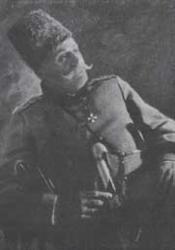
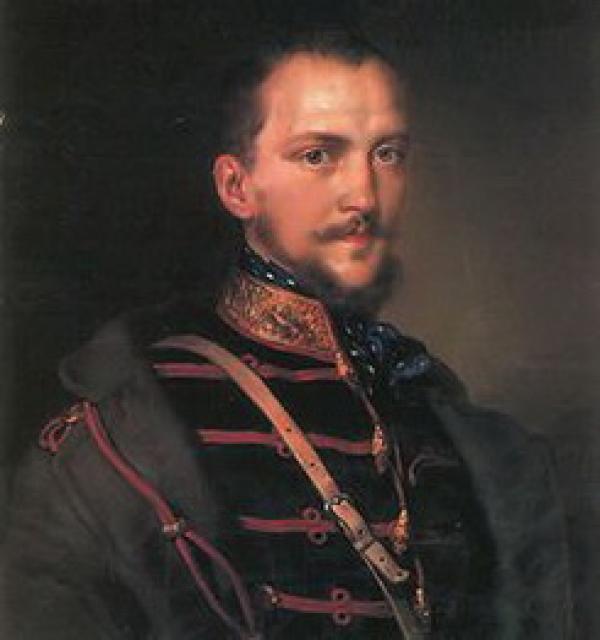
Arthur Görgey was born into a renowned Protestant Hungarian noble family on February 5, 1818. At the age of 19, he enrolled as a guard for Hungarian noblemen in Vienna while pursuing his studies at the university.
Military Service and the Hungarian Revolution
Following the death of his father in 1845, Görgey resigned from the army and embarked on a chemistry degree at Prague University. Upon graduation, he returned to his ancestral estate. However, the outbreak of the Hungarian Revolution in 1848 sparked his patriotic fervor.
Enlisting as a captain, Görgey swiftly rose through the ranks to lead the entire National Guard north of the Tisza River. His military prowess against Croatian forces earned him widespread recognition. In May 1849, he captured Hungary's capital, becoming the revolutionary government's Minister of War.
The Russian Intervention and Görgey's Surrender
Russia's intervention in the conflict drastically altered the war's dynamics. During a campaign, Görgey was forced to surrender to General Rüdiger of Prince Paskievich's expeditionary corps.
Accusation of Treason and Exile
Unlike many of his comrades, Görgey avoided a military trial. Imprisoned briefly, he later resided in Klagenfurt, where he pursued chemical studies. In 1867, he was pardoned and allowed to return to Hungary.
His decision to surrender rather than face execution, unlike numerous other revolutionary leaders, earned him disgrace among Hungarian society as a traitor. American author Mayne Reid featured Görgey's alleged betrayal in his novel "The War Trail."
Later Years and Recognition
Görgey played no further role in Hungary's politics. In 1885, his friends attempted to rehabilitate his reputation. However, he lived as a recluse, scorned and ridiculed.
In the following years, Görgey's military achievements and pivotal role in the revolution were gradually acknowledged by his countrymen. Today, Arthur Görgey is recognized as a complex and controversial figure whose legacy reflects the complexities of Hungary's revolutionary period.