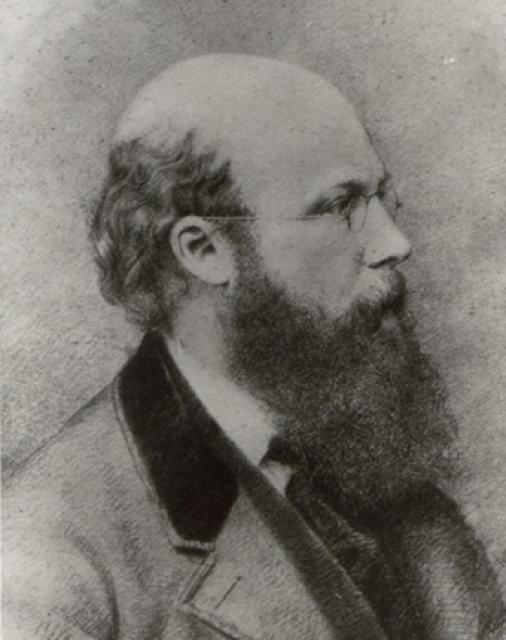
August von Kaven
 Germany
- Otto Intze: A Pioneer in Structural Engineering
- Early Life and Education
- Director of Aachen Technical University
- Contributions to Railroad Design
- Breakthrough in Slope Stability Theory
- Recognition and Legacy
Otto Intze: A Pioneer in Structural Engineering
Otto Intze (1843-1904) was a prominent German civil engineer who made significant contributions to the fields of railroad design and structural engineering.
Early Life and Education
Intze was born in Hanover, Germany, in 1843. He pursued his engineering education at the Polytechnic University of Hanover, where he later taught from 1861 to 1869.
Director of Aachen Technical University
In 1869, Intze was appointed the first director of the Aachen Higher Technical School. During his tenure, he established a renowned center for engineering research and education.
Contributions to Railroad Design
Intze played a pivotal role in the design and construction of several major railroad lines in Germany. His expertise in soil mechanics and embankment stability ensured the structural integrity of these critical transportation arteries.
Breakthrough in Slope Stability Theory
Intze's magnum opus, published in 1885 under the title "Applications of the Theory of Slopes," marked a significant advancement in the understanding of slope stability. This book provided a comprehensive theory for analyzing and designing embankments, slopes, and other earthworks.
Recognition and Legacy
Intze's groundbreaking work earned him widespread recognition as a leading authority in structural engineering. His theories and methods continue to be applied in the design and construction of embankments, dams, and other geotechnical structures worldwide. His legacy lives on as a testament to his innovative spirit and dedication to the field of civil engineering.


