Ayla Cresswell
 Australia
- A Relationship and Shared Plans
- An Urgent Court Application
- A Landmark Decision
- Public Debate and Significance
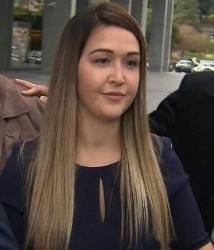
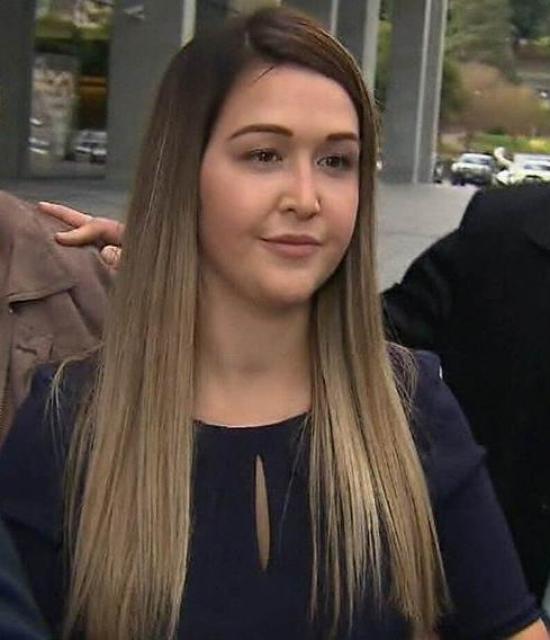
Ayla Cresswell came into public view through a deeply personal legal case that quickly became a landmark in Queensland. After her partner, Joshua Davies, died in 2016, she sought to preserve the possibility of the family they had planned together. Her application forced a court to confront difficult questions about grief, consent, assisted reproduction and the status of genetic material after death. The outcome made her name part of an important Australian legal debate, while the details she shared publicly remained focused on that case.
A Relationship and Shared Plans
Cresswell was in a relationship with Davies for about three years. They were saving toward a home and had spoken with family and friends about marrying and having children. In August 2016, Davies died unexpectedly. Cresswell later told the court she wanted the opportunity to have a child with him, and both families supported her application. Friends also gave evidence that Davies had spoken shortly before his death about settling down and becoming a father.
An Urgent Court Application
The timing was critical. Within hours of Davies’s death, Cresswell instructed lawyers to seek an urgent order from the Supreme Court of Queensland so that his sperm could be retrieved and preserved. The court granted permission, and the retrieval took place about 48 hours after his death. The sperm was then stored at a fertility clinic while she pursued a separate question: whether she could possess and use it in assisted reproductive treatment.
A Landmark Decision
Cresswell’s case was heard by the Queensland Supreme Court, which delivered its decision in June 2018. The judge found that the work involved in removing and preserving the sperm made it capable of being treated as property and that Cresswell was entitled to its permanent possession. The ruling also allowed her to use it for treatment under specific conditions: it could be used only with her own eggs, for an embryo to be implanted in her, and under clinic supervision.
The court considered evidence that Davies wanted children, but distinguished that wish from explicit consent to posthumous use of his sperm. It found no evidence that he would have objected to Cresswell’s application. The judgment also considered whether her decision was a considered one rather than an immediate reaction to grief, and heard evidence that she had received counselling and medical advice. The support of both families was central to the picture presented to the court.
Public Debate and Significance
The case was widely described as a first for Queensland and a landmark for Australian family and succession law. It drew attention to the gap between rapidly advancing fertility technology and laws that did not clearly address what should happen when a person dies without leaving explicit instructions about reproductive material. Legal commentators stressed that the ruling concerned the particular facts and conditions before the court; it did not resolve every question about posthumous reproduction across Australia.
Cresswell did not make an extensive public career out of the case. News coverage centered on her relationship, her careful pursuit of the application and the legal result. Her story remains significant because it placed a private hope at the centre of a major legal question: how a court should weigh a surviving partner’s wishes, a deceased person’s presumed intentions and the welfare of a potential child when the law has no clear answer.