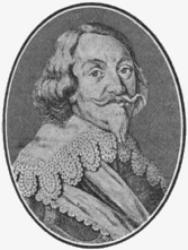
Bardas Skleros
 Italy
Italy- Early Life and Career
- Rise to Power
- Rebellion
- Defeat and Exile
- Later Years
- Negotiations and Legacy
- Descendants
Early Life and Career
Bardas Skleros, a prominent Byzantine general, was born into an aristocratic family in eastern Asia Minor. His mother, Gregoria, was believed to be related to Emperor Basil I. Skleros's early military career reached its zenith in 970, when he successfully defended Constantinople from the invading forces of Kievan Rus' under Prince Sviatoslav.
Rise to Power
Following this success, Skleros was appointed as advisor to Emperor John I Tzimiskes, whose sister he had married. After John's death, Skleros sought to claim the throne but was foiled by the eunuch Basil the Parakoimomenos, who had him dismissed from his position.
Rebellion
Upon learning of his dismissal, Skleros retreated to his estates in eastern Asia Minor and formed alliances with local rulers, including Muslims. With their support, he rapidly gained control over much of Asia Minor, including major cities such as Antioch and Caesarea. The rebels' early success was diminished when their fleet was defeated in the Aegean Sea. Undeterred, Skleros laid siege to Nicaea, the strategic gateway to Constantinople.
Defeat and Exile
To counter Skleros's threat, Emperor Basil II appealed to Bardas Phokas the Younger, who had once unsuccessfully rebelled against John Tzimiskes. Phokas rallied the support of the Georgian and Armenian rulers of Tao-Klarjeti and engaged Skleros in a series of battles. In a personal duel, Skleros was severely wounded and his army collapsed. After his defeat, Skleros and his family fled to Baghdad, where he was imprisoned for several years.
Later Years
After the disastrous defeat of the Byzantines by the Bulgarians in 986, Skleros was released from prison and returned to Byzantine territory with Arab reinforcements. He was joined by many provincial landowners and forged an alliance with Bardas Phokas the Younger. However, Phokas betrayed Skleros, imprisoned him, and claimed leadership of the rebellion. After Phokas's death in 989, Skleros was freed and once again assumed command.
Negotiations and Legacy
Skleros's supporters remained loyal, inspired by his unwavering determination and compassion. After facing hardships, he wisely chose to negotiate with Basil II. In exchange for recognizing Basil II's authority, Skleros secured amnesty for his followers and the confirmation of honors and grants he had made. The date of Skleros's submission remains uncertain, but he died in 991 after receiving the title of kouropalates from Emperor Basil II.
Descendants
Skleros's family line continued through his grandson, Basil Skleros, who married the sister of Emperor Romanos III. Basil's daughter married Constantine IX Monomachos, and their granddaughter became Constantine's mistress. One of these women was the grandmother of Vladimir Monomachos.