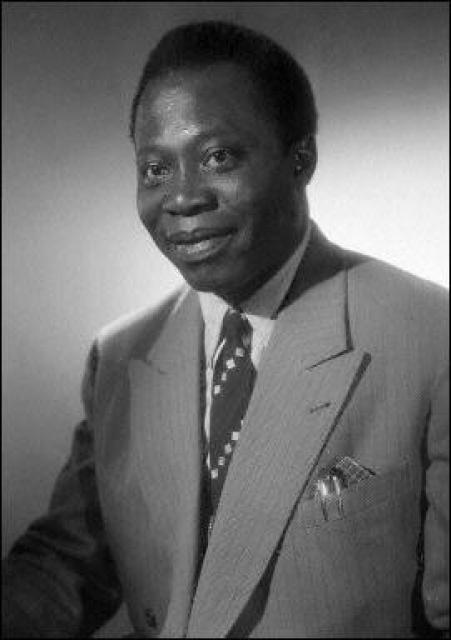
Barthelemy Boganda
- Barthélemy Boganda: A Force for Independence in Central Africa
- Political Ascent
- Opposition to Colonialism
- Pan-Africanism
- Leadership of Autonomous Central African Republic
- Tragic Demise
- Legacy
Barthélemy Boganda: A Force for Independence in Central Africa
Early Life and EducationBarthélemy Boganda was born into a peasant family in the French colony of Ubangi-Chari (now the Central African Republic). An Nbaka by ethnicity, Boganda became the first African Catholic priest in the colony.
Political Ascent
The support of the Catholic Church played a crucial role in Boganda's election to the French National Assembly in 1946. However, he soon denounced colonial policies and removed his priestly robes. In 1949, he founded the Movement for the Social Evolution of Black Africa (MESAN), which became the dominant political force in the country for decades to come.
Opposition to Colonialism
Boganda's authority in Central Africa was immense. Even French colonial authorities realized the futility of opposing him. His agreement with French businessmen in 1956 secured financial assistance in exchange for European representation in local elections.
Pan-Africanism
Boganda advocated for the unification of Central Africa, echoing the Pan-African ideals of Kwame Nkrumah. He proposed the creation of a federation and eventually the "United States of Latin Africa," incorporating territories from Angola to Cameroon.
Leadership of Autonomous Central African Republic
In December 1958, Boganda became the premier of the autonomous Central African Republic within the French Community. He played a significant role in the design of the country's flag.
Tragic Demise
Boganda died in a plane crash eight days before the last colonial-era elections. His tragic death shook the nation, and March 29th is now celebrated annually in his memory. His legacy continues through the National Museum and the Bangui stadium, both named in his honor.
Legacy
Boganda's relatives included Jean-Bédel Bokassa, who became the country's first president, David Dacko, and Elizabeth Domitien, who served as prime minister from 1975 to 1976. Boganda's vision of independence and Pan-Africanism left an enduring mark on the Central African Republic.


