Bartolom Mitre
 Argentina
- Early Life and Exile
- Return to Buenos Aires and Unification
- Presidency and Reforms
- Paraguayan War and Literary Accomplishments
- Later Life and Legacy
Early Life and Exile
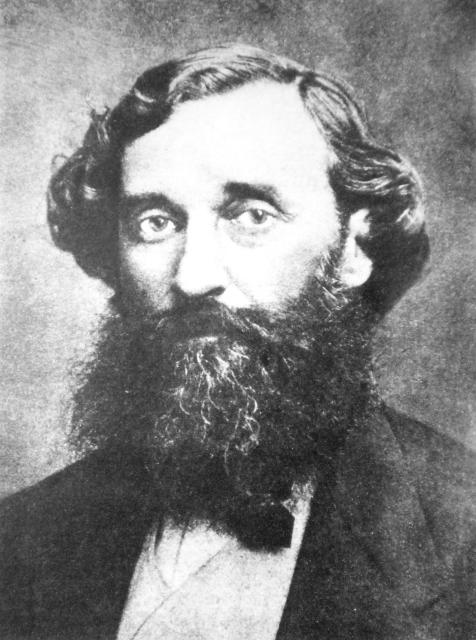
Bartolomé Mitre was born on June 26, 1821, in Buenos Aires, Argentina. At the age of 18, he joined the civil wars against the dictatorship of Juan Manuel Rosas. His opposition forced him into exile in Bolivia, Chile, and Peru from 1846 to 1851, where he worked as a journalist.
Return to Buenos Aires and Unification
In 1852, Mitre returned to Buenos Aires and resumed his fight against Rosas' tyranny as part of the rebel army led by General Justo Urquiza. In 1859, under Mitre's command, the Unitarists defeated separatists in the province of Cepeda, bringing it back into the Argentine Confederation.
The following year, Mitre became governor of Buenos Aires, and in 1861, he led the defeat of Federalists at the Battle of Pavón. This victory led to the formation of a unified Argentine Republic, with Mitre playing a pivotal role alongside Domingo Sarmiento and Juan Alberdi.
Presidency and Reforms
Elected president (1862-1868), Mitre initiated significant infrastructure development, including the construction of railroads, telegraph lines, and state schools. He also implemented reforms to postal services, trade, and entrepreneurial activities.
Paraguayan War and Literary Accomplishments
During the Paraguayan War (1865), Mitre commanded the combined forces of Argentina, Brazil, and Uruguay. As an accomplished writer, he founded the prestigious newspaper "La Nacion" in Buenos Aires in 1870. Mitre's most renowned works include "Historia de Belgrano" (1858) and "Historia de San Martín" (1887), both biographies of historical figures.
Later Life and Legacy
Bartolomé Mitre died in Buenos Aires on January 18, 1906. His legacy as a statesman, journalist, and historian has left an enduring mark on Argentina. He played a crucial role in unifying and consolidating the nation and contributed significantly to its intellectual and cultural development.