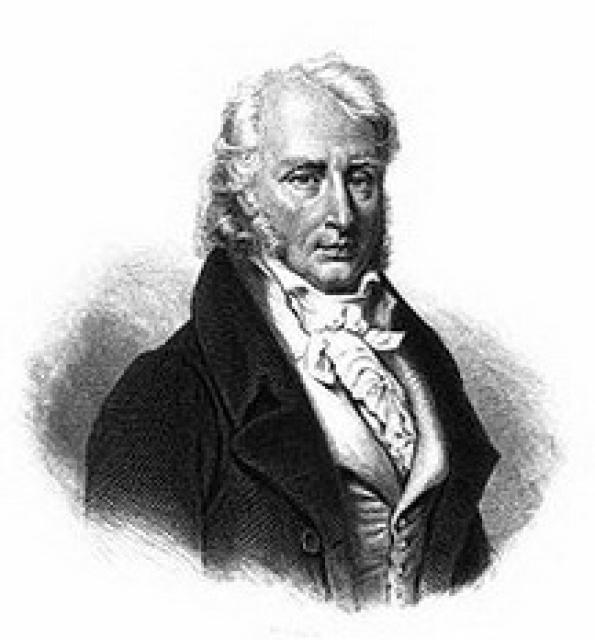
Benjamin Constant
 Switzerland
- Benjamin Constant: A Swiss Statesman and Romantic Writer
- Arrival in Paris and Marriage
- Relationship with Germaine de Staël
- Political Career
- Literary Works
- Other Writings
Benjamin Constant: A Swiss Statesman and Romantic Writer
Early Life and EducationBenjamin Constant de Rebecque was born into a Huguenot family in Switzerland. He received his early education from private tutors and later attended the University of Erlangen in Bavaria and the University of Edinburgh in Scotland.
Arrival in Paris and Marriage
In 1785, Constant arrived in Paris for the first time. He married Minna von Gramm in 1788, but the marriage ended in 1795.
Relationship with Germaine de Staël
In 1794, Constant met the renowned writer Germaine de Staël in Geneva. They became lovers and had a daughter together. Their relationship lasted until 1807.
Political Career
Constant was a prominent political figure during the French Revolution and the Napoleonic era. He supported the Directory, served as a member of the Legislative Tribunal, and was forced into exile by Napoleon. After Napoleon's downfall, he returned to Paris and was elected to the Chamber of Deputies in 1819. Constant's political views evolved throughout his career, but he remained critical of the excesses of the Revolution and advocate for liberal principles.
Literary Works
Benjamin Constant is considered one of the leading figures of French Romanticism. He wrote his first literary work, the heroic epic "The Knights," at the age of twelve. He kept diaries throughout his life, and his most famous work is the autobiographical novel "Adolphe" (1816). The novel's protagonist became a prototype of the Romantic hero, influential in shaping the works of writers such as Alexander Pushkin.
Other Writings
Constant also wrote several other prose works, including "The Red Notebook" (published in 1907), "Cecile" (published in 1951), and the epistolary novel "Letters of D'Arcy-fils to Sophie D'Urfé" (discovered in the late 20th century).