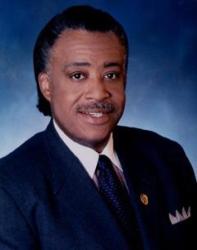
Bhakti Vijnana Gosvami
 Uzbekistan
- Vadim Tunayev: A Journey in the Realm of Spirituality and Science
- Spiritual Awakening
- Joining the Krishna Movement
- Persecution and Resilience
- Emigration to Sweden
- Return to Russia and Leadership Roles in ISKCON
- Passions and Literary Contributions
- Recognition and Awards
Vadim Tunayev: A Journey in the Realm of Spirituality and Science
Early Life and EducationVadim Tunayev was born on August 30, 1956, in Tashkent, Uzbekistan, to a family of intellectuals. Inspired by his grandfather, a renowned scientist, Vadim developed a deep interest in chemistry and began experimenting at a young age.
In 1973, Vadim graduated from high school with honors and enrolled in the prestigious Moscow State University (MSU). Despite his initial passion for chemistry, he soon realized his dissatisfaction with the subject. However, he excelled academically and became the head of the Komsomol, a communist youth organization.
Spiritual Awakening
A profound event that shaped Vadim's spiritual journey was the death of his classmate, Ivan Raevsky. Raevsky's resilience in the face of terminal illness left a lasting impact on Vadim. He began exploring various religious texts, including the "Gospel of John."
In 1978, Vadim encountered Gaudiya Vaishnavism through a fellow student, Japa, who introduced him to the teachings of the International Society for Krishna Consciousness (ISKCON). Vadim became a vegetarian, read the "Bhagavad-Gita," and began chanting the mantra "Hare Krishna."
Joining the Krishna Movement
In 1983, Vadim received spiritual initiation from Harikesha Swami, an American disciple of Bhaktivedanta Swami Prabhupada, and was given the Sanskrit name Vaidyānātha Dāsa. He became actively involved in ISKCON's проповеднические программы and participated in underground gatherings despite government persecution.
Persecution and Resilience
In the early 1980s, the Soviet authorities launched a campaign against ISKCON, labeling it an "anti-communist sect." Vaidyānātha refused to collaborate with the KGB and continued to promote the teachings of Krishna. He was summoned for interrogations and faced threats of imprisonment.
Emigration to Sweden
In 1988, Vaidyānātha emigrated to Sweden, where he joined the Swedish branch of the Bhaktivedanta Book Trust. He played a vital role in translating and editing Vaishnava literature into Russian and other languages of the former Soviet Union.
Return to Russia and Leadership Roles in ISKCON
In 1995, Vaidyānātha returned to Russia and became the head of the Center of Societies for Krishna Consciousness in Russia (COSCKR). His lectures and seminars made him one of the most influential Krishnaite preachers in the region. In 1996, he became the first non-Prabhupada disciple to be elected to ISKCON's Governing Body Commission.
In 2001, Vaidyānātha received the monastic status of sannyasi and adopted the spiritual name "Bhakti Vigyāna Goswami." In 2005, he became the first Russian-born ISKCON "initiating guru," authorized to accept disciples.
Passions and Literary Contributions
Bhakti Vigyāna Goswami is passionate about poetry, music, philosophy, and history. He practices hatha yoga and is proficient in English, Sanskrit, Bengali, and Hindi. In 2001, he published a poetic translation of Bhaktivinoda Thakur's "Sharanagati" from Bengali.
Recognition and Awards
In 2010, Bhakti Vigyāna Goswami was awarded the "For Professionalism and Business Reputation" medal by the Council of Public Awards of the Russian Federation for his contributions to strengthening Russian-Indian relations and promoting India's spiritual and cultural heritage.