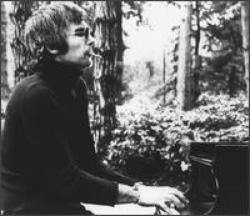
Bill Dixon
 USA
USA- Bill Dixon: A Multifaceted Artist and Educator
- Contributions to Free Jazz
- Artistic Collaborations
- Unique Style
- Underground Recognition
- Legacy and Impact
- Educator and Mentor
Bill Dixon: A Multifaceted Artist and Educator
Early Life and CareerBill Dixon, born on October 5, 1925, in Massachusetts, was an acclaimed American musician, composer, artist, and educator. He honed his skills on the trumpet, flugelhorn, and piano.

Contributions to Free Jazz
Dixon played a pivotal role in the development of free jazz. In 1964, he organized the landmark "October Revolution in Jazz" festival, which showcased the genre's leading figures. Despite his own musical prowess, Dixon is more widely known as an inspirer and organizer than as a performer.

Artistic Collaborations
Dixon's musical journey began in 1962 with a collaboration with saxophonist Archie Shepp. In 1966, he worked alongside renowned pianist Cecil Taylor. His debut album, "Intents and Purposes," released in 1967, featured two extensive compositions: "Metamorphoses 1962-1966" and "Voices."
Unique Style
Dixon's music exhibited a tranquil and lyrical style. He described it as "pure poetry amid intuitive free jazz." Instead of using music as a weapon, he approached it as an artist creating "a vast canvas of sound." His approach influenced the later "Chicago School" of musical art.
Underground Recognition
Dixon's music often remained obscure during the recording years of the 1970s, earning him the label of an "underground musician." However, his works gained recognition in the 1980s, with albums like "Considerations" (1980) showcasing his extensive compositions.
Legacy and Impact
By the end of the 1990s, Dixon had released over ten albums, culminating in the six-disc masterpiece "Odyssey" (2001). The album featured solo wind instruments from 1970-1992, the complete "Collection," improvisations, and a duet with pianist Leslie Winston.
Educator and Mentor
From 1968 to 1996, Dixon served as a professor of music at Bennington College in Vermont. He maintained a belief in "playing in complete isolation from the market." As a result, the groundbreaking music he created during the free jazz era reached only a select few.