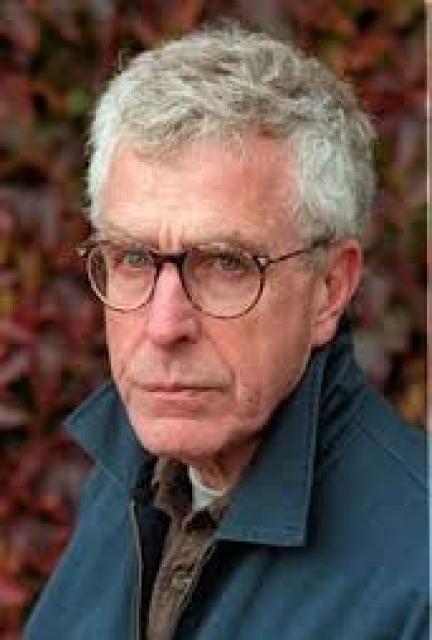
Bo Widerberg
 Sweden
- Early Life and Career of Bo Widerberg
- Social Commentary and Documentary Filmmaking
- Critical Acclaim and Popular Success
- Diverse Career and Awards
- Notable Works
Early Life and Career of Bo Widerberg
Bo Widerberg was born in Sweden and began his filmmaking career in the 1960s. Along with other directors known as "Group 13," he challenged the mystical and mythological style of Ingmar Bergman, which was perceived as detached from Swedish reality and aimed at an international audience.
Social Commentary and Documentary Filmmaking
Widerberg's own films leaned towards social commentary and sociological reportage. His trilogy about the working class, including "Raven's End" (1963), "Ådalen 31" (1969), and "Joe Hill" (1971), depicted the struggles of everyday people. He also directed several documentaries, including "White Sport" (1968), a collaborative project of Group 13.
Critical Acclaim and Popular Success
Despite his commitment to social realism, Widerberg's two most acclaimed films, "Elvira Madigan" (1967) and "The Serpent's Way" (1986), exhibited a more romantic and poetic sensibility. "Elvira Madigan," a tragic love story, garnered praise from Bergman himself, who never met Widerberg but admired his work.
Diverse Career and Awards
Widerberg's filmography includes television productions, screenwriting, producing, acting, and cinematography. His film "Raven's End" received an Academy Award nomination, and "Ådalen 31" won the Golden Beetle for Best Direction. He also received a Special Jury Prize at the Cannes Film Festival for "Joe Hill."
Notable Works
- "Raven's End" (1963)- "Ådalen 31" (1969)
- "Elvira Madigan" (1967)
- "Joe Hill" (1971)
- "The Serpent's Way" (1986)
- "Lust and Painting" (1995)
Legacy and Impact
Bo Widerberg's films continue to be influential in Swedish cinema. His son, Johan Widerberg, is an actor who has appeared in his father's films. Widerberg's emphasis on social issues and his ability to balance realism with emotional depth have left a lasting mark on the Swedish film landscape.