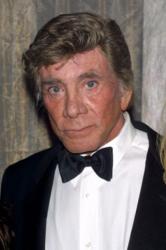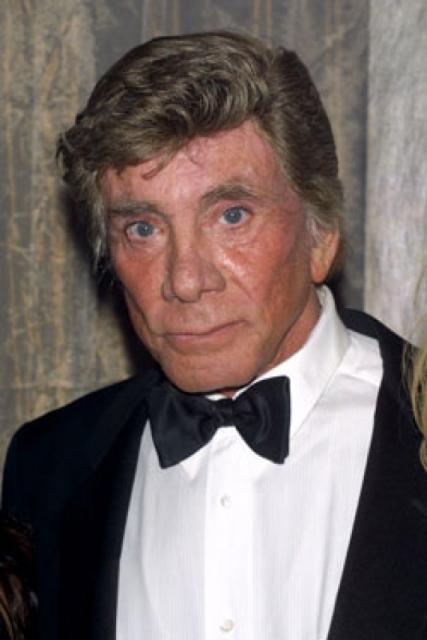
Bob Guccione
 USA
- Early Life and Art
- Building Penthouse
- Caligula and Business Setbacks
- Personal Life and Final Years
- Legacy
Bob Guccione (1930–2010) turned an ambition to make a living as a painter into one of the most recognizable publishing empires of the late twentieth century. As the founder and longtime publisher of Penthouse, he built a rival to Playboy, expanded into science and lifestyle magazines, and became a highly visible, often controversial figure in American media.
Early Life and Art
Guccione was born in Brooklyn, New York, on December 17, 1930, to a first-generation Sicilian-American family and grew up in Bergenfield, New Jersey. He studied at a Catholic seminary before leaving to pursue art. Painting remained a serious personal ambition throughout his life, even as publishing became his business. Before starting Penthouse, he worked in Britain as a cartoonist and editor, including for the London American.
Building Penthouse
Guccione launched Penthouse in Britain in 1965, initially hoping that its success would help support his painting. He brought the magazine to the United States in 1969. As publisher and, at times, photographer, he shaped its visual identity and competed directly with Hugh Hefner’s Playboy. Penthouse became known for more explicit nude photography, but it also published interviews and investigative journalism, helping it reach a broad readership beyond its central appeal as an adult magazine.
At its height, the magazine sold millions of copies and supported a much wider publishing operation. Guccione and his business partner Kathy Keeton launched titles including Omni, which covered science and speculative ideas, as well as Viva and Longevity. The magazines reflected his interest in art, science, and ambitious visual presentation, and they helped make his company a major presence in American publishing.
Caligula and Business Setbacks
Guccione’s most notorious film venture was Caligula, released in 1980. He invested heavily in the historical drama, which starred Malcolm McDowell, Helen Mirren, Peter O’Toole, and John Gielgud. Disputes over the film’s direction and editing, followed by legal and censorship battles, made the production a lasting source of controversy and a substantial financial disappointment.
Other costly ventures, including an unsuccessful effort to establish a casino in Atlantic City, added pressure to his business. By the 1990s, competition from video and the internet, falling magazine circulation, and strategic missteps weakened the company. General Media, Penthouse’s parent company, filed for bankruptcy in 2003. Penthouse was sold the following year, and Guccione’s role in the business ended.
Personal Life and Final Years
Guccione married four times and had five children. Kathy Keeton, his longtime business partner and third wife, died of cancer in 1997. He was also a committed art collector; as his finances deteriorated, he sold much of his collection in 2002.
After battling cancer, Guccione died in Plano, Texas, on October 20, 2010, at the age of 79. The publishing fortune he had built had largely disappeared, but the magazine he founded had left a lasting mark on the era’s popular culture and debates over media, sexuality, and censorship.
Legacy
Guccione’s career joined entrepreneurial ambition with a strikingly personal editorial vision. Penthouse challenged the conventions of mainstream publishing and became a cultural force, while his other magazines showed that his interests reached well beyond adult entertainment. His rise and financial collapse also traced the vulnerabilities of a media empire built around print during a period of rapid technological change.