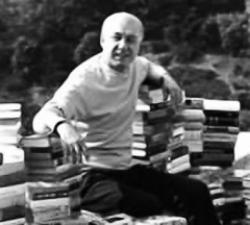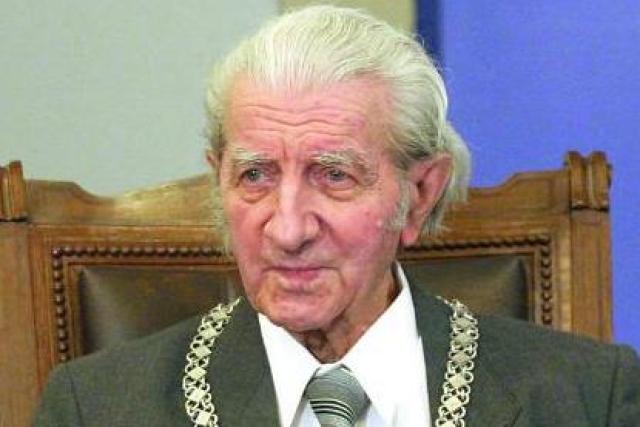
Bogomil Raynov
 Bulgaria
- Bogomil Rainov: A Brilliant and Controversial Figure
- Literary and Political Engagements
- Diplomatic and Cultural Contributions
- Master of the Crime Novel
- Literary Contributions beyond Fiction
- Poetic Depictions of European Cities
- Controversial Role in Socialist Bulgaria
- Later Life and Legacy
- Honors and Accolades
Bogomil Rainov: A Brilliant and Controversial Figure
Early Life and EducationBorn into an illustrious family, Bogomil Rainov was the son of renowned academician Nikolay Rainov and brother to sculptor Boyan Rainov. Inspired by his father's intellectual pursuits, he pursued philosophical studies at Sofia University, shaping his critical thinking and analytical abilities.
Literary and Political Engagements
Rainov's literary career began in 1941 with the publication of his first poetry collection. Embracing the ideological fervor of the time, he joined the Bulgarian Workers' Party (Communists) in 1944. His writings became imbued with themes of socialist realism, reflecting the political atmosphere of the era.
Diplomatic and Cultural Contributions
In the 1950s, Rainov served as Bulgaria's cultural attaché in Paris. During this period, he established international connections and gained valuable insights into foreign cultures. Upon his return to Bulgaria, he penned captivating novels featuring the renowned spy Emil Boev and the legendary detective Major Petar Antonov.
Master of the Crime Novel
Rainov emerged as a prolific and popular author, with his books becoming bestsellers in Bulgaria and across the socialist bloc. His novels displayed an intricate understanding of the human psyche and a flair for suspense. Rainov's literary prowess was recognized with numerous awards, including the Dimitrov Prize in 1969.
Literary Contributions beyond Fiction
Beyond his popular crime novels, Rainov authored scholarly works on literature, notably "Black Novel" (1970). In this study, he delved into the phenomena of detective and spy thrillers, offering insightful analyses and original perspectives.
Poetic Depictions of European Cities
Rainov possessed an exceptional ability to capture the essence of renowned cities in his writings. His descriptions, such as the haunting portrayal of decaying Venice, have become iconic and are often used in educational contexts.
Controversial Role in Socialist Bulgaria
Rainov's political involvement and his role in enforcing socialist realism remain controversial. Critics have accused him of silencing dissenting voices and playing a part in the persecution of non-conformist artists and writers. However, others recognize his contributions to Bulgarian culture and the international recognition he brought to his country's literature.
Later Life and Legacy
Following his death, Rainov's unfinished works, "Light of Our Land" and "Letter from the Dead," were published, containing controversial attacks on his former critics. Despite the complexities surrounding his legacy, Bogomil Rainov remains an enigmatic and influential figure in Bulgarian literature, leaving an enduring mark on the cultural landscape.
Honors and Accolades
- Order of Cyril and Methodius, 1st Class (1959)- Honored Cultural Activist of Bulgaria (1965)
- Dimitrov Prize (1969)
- People's Cultural Activist of Bulgaria (1971)
- Hero of Socialist Labor of the People's Republic of Bulgaria (1976)
- Order of Georgi Dimitrov (1979)
- Order "13 Centuries of Bulgaria" (1989)