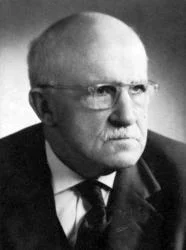
Boris Yeltsin
- From the Urals to Moscow
- The Coup and the End of the Soviet Union
- Power Struggles and a Difficult Legacy
Boris Yeltsin became the first president of post-Soviet Russia at a moment when the old order was coming apart and the shape of the new one remained uncertain. A blunt, forceful politician, he helped defeat a hard-line coup in 1991 and played a central role in the dissolution of the Soviet Union. His presidency also brought economic upheaval, fierce constitutional conflict, war, and the rise of powerful private fortunes. To some, he embodied freedom from Communist rule; to others, his years in office came to represent the painful costs and disappointments of Russia’s transition.
From the Urals to Moscow
Yeltsin was born in 1931 in Butka, a village in the Sverdlovsk region of the Russian Soviet republic. He trained as a civil engineer and worked in construction before rising through the Communist Party. In Sverdlovsk, he became a prominent regional party official. Mikhail Gorbachev brought him to Moscow in the 1980s, where Yeltsin gained national attention as a reform-minded critic of entrenched bureaucracy.
His outspoken challenges to party leadership made him both popular and controversial. After a bitter break with the Soviet establishment, he returned to politics through elections and became a leading advocate for greater Russian sovereignty. In June 1991, voters elected him president of the Russian Soviet Federative Socialist Republic, then one of the republics within the Soviet Union.
The Coup and the End of the Soviet Union
Yeltsin’s defining moment came in August 1991, when Communist hard-liners attempted to remove Gorbachev and halt reform. As tanks entered Moscow, Yeltsin addressed the crowd from atop one of them outside the Russian parliament building, calling on citizens to resist the coup. The plot collapsed within days, and Yeltsin emerged with greatly increased authority.
The Soviet Union dissolved later that year. Yeltsin became president of an independent Russian Federation and began a sweeping shift toward a market economy. The rapid liberalization of prices and privatization of state property upended daily life: shortages and queues gave way to inflation, uncertainty, and falling living standards for many people. A small number of business figures acquired enormous wealth, while the state struggled to establish stable institutions. The transition opened new freedoms but also created lasting social and economic dislocation.
Power Struggles and a Difficult Legacy
Yeltsin’s relationship with parliament deteriorated into a constitutional crisis in 1993. After he ordered the legislature dissolved, his opponents rejected the move and barricaded themselves inside the White House in Moscow. The standoff ended when the army shelled the building and government forces retook it, leaving scores dead. A new constitution approved later that year gave the presidency broad powers.
His second term began after a hard-fought 1996 election, but his health was failing and Russia remained unstable. The war in Chechnya, economic hardship, and a financial crisis in 1998 further weakened public confidence. On December 31, 1999, Yeltsin announced his resignation and handed the presidency to Prime Minister Vladimir Putin, who became acting president.
Yeltsin died in 2007. His legacy resists a simple verdict: he played a pivotal role in ending Soviet Communist rule and widening political freedoms, yet his government’s handling of reform and the use of force against parliament left deep scars. His presidency marked the start of a new Russian state—and the beginning of struggles over what that state would become.