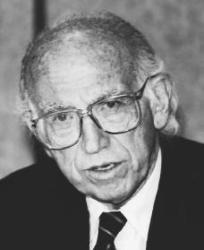
Camille Guerin
 France
- Camille Guérin: Pioneer in Tuberculosis Immunization
- Joining the Pasteur Institute
- Breakthrough in Tuberculosis Research
- Development of the BCG Vaccine
- Later Career and Legacy
Camille Guérin: Pioneer in Tuberculosis Immunization
Early Life and EducationCamille Guérin was born into a humble family in Poitiers, France. Despite his father's untimely death from tuberculosis, he pursued veterinary medicine at the prestigious Ecole Nationale Vétérinaire d'Alfort. As a student, he assisted the renowned pathologist Edmond Nocard.
Joining the Pasteur Institute
In 1897, Guérin joined the Pasteur Institute of Lille, where he became a technical specialist under the mentorship of Albert Calmette, a prominent bacteriologist and immunologist. He initially focused on producing Calmette's serum (an antivenom for snakebites) and vaccine against smallpox, but later made significant improvements in manufacturing methods.
Breakthrough in Tuberculosis Research
From 1905 onwards, Guérin and Calmette dedicated their efforts to developing a vaccine against tuberculosis. Guérin discovered that the bovine tuberculosis bacillus (Mycobacterium bovis) could immunize animals without causing disease. Together, they developed methods for attenuating the pathogenicity of Mycobacterium by using serial culture passages.
Development of the BCG Vaccine
In 1908, Guérin and Calmette published the results of their research, which led to the creation of a novel vaccine known as BCG (Bacillus Calmette-Guérin). After years of refinement and testing, they achieved an effective vaccine that could be safely used in humans in 1921.
Later Career and Legacy
Guérin moved to Paris in 1928 and became the director of the Tuberculosis Service at the Pasteur Institute. He played a pivotal role in the development of the BCG vaccine's widespread use worldwide. In recognition of his contributions, he was awarded the Scientific Grand Prix by the French Academy of Sciences in 1955.
In the later years of his life, Guérin served as Vice-President of the National Committee for Defense Against Tuberculosis and as President of both the Veterinary Academy of France and the Academy of Medicine. He passed away in Paris at the age of 89, leaving behind an enduring legacy in the field of public health and immunology.