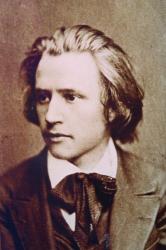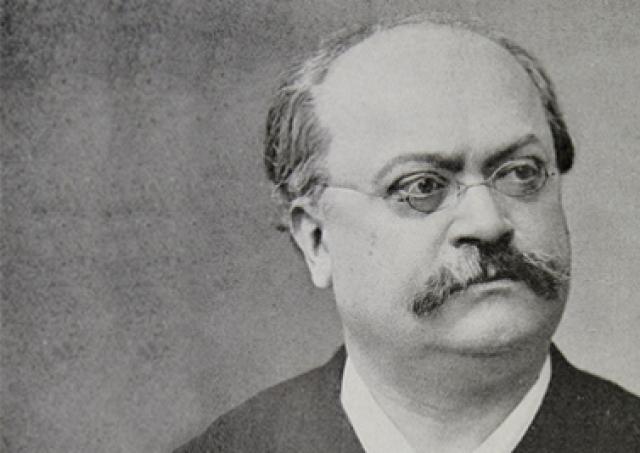
Charles Lecocq
 France
- Early Life and Conservatory
- Operetta Success
- The Flower of Tea and Daughter of Madame Angot
- Giroflé-Girofla and La Cent Vierges
- Late Career and Legacy
Early Life and Conservatory
Charles Lecocq was born in Paris and studied at the prestigious Paris Conservatory, honing his musical skills. While a student, he was introduced to the genre of operetta through a contest organized by Jacques Offenbach. Lecocq and Georges Bizet emerged as winners, earning recognition for their musical talents.
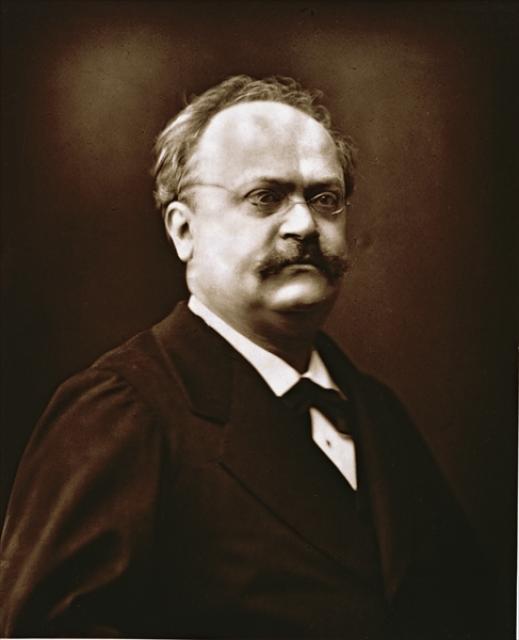
Operetta Success
Upon graduating from the conservatory, Lecocq dedicated himself to the genre of operetta. While his early works, such as "Le Cabaret Ramponneau" and "Fermez la Porte," did not achieve widespread success, his later creations garnered immense popularity.
The Flower of Tea and Daughter of Madame Angot
Lecocq's breakthrough came with the premiere of "La Fille de Madame Angot" in 1872. This operetta's masterful characterization and captivating storyline resonated with audiences, establishing Lecocq as a renowned composer. The success of "Daughter of Madame Angot" extended beyond France, solidifying his reputation internationally.
Giroflé-Girofla and La Cent Vierges
Lecocq continued his prolific output with "Giroflé-Girofla" and "La Cent Vierges." These works showcased his comedic flair and lyrical charm, earning critical acclaim and eclipsing the popularity of Offenbach's operettas.
Late Career and Legacy
Lecocq's later years witnessed a decline in his popularity, but his legacy as a prominent figure in the operetta genre remained. He left behind an impressive body of work, including over fifty operettas, ballets, and piano pieces. Despite facing health challenges later in life, he continued to compose until 1910. Charles Lecocq passed away in Paris in 1918, leaving behind a rich musical heritage.