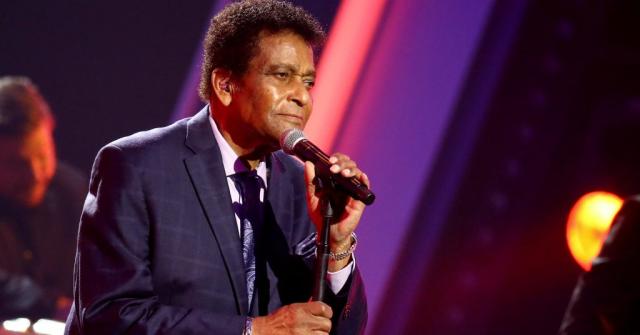
Charley Frank Pride
 USA
- Mississippi roots
- From ballpark singer to Nashville
- A remarkable run of hits
- Life beyond the charts
- Final years and legacy
Charley Pride’s path to country music stardom ran through cotton fields, baseball diamonds, a smelter in Montana, and the recording studios of Nashville. With a warm, unhurried baritone and a gift for choosing songs that spoke directly to listeners, he became country music’s first Black superstar, scoring dozens of hits and opening doors in a genre long associated with white performers. His life was also a story of persistence: a baseball dream cut short by injury became a music career that lasted more than five decades.
Mississippi roots
Charley Frank Pride was born on March 18, 1934, in Sledge, Mississippi, the son of sharecroppers Mack and Tessie Pride. He grew up in a large family in the segregated South, helping with farm work while absorbing the sounds around him. His father listened to the Grand Ole Opry on the family’s Philco radio, and Pride grew up hearing country singers alongside blues and gospel. At fourteen, he saved enough to buy a guitar from a Sears catalog and taught himself to play by listening.
Baseball seemed like the most realistic way out of farm labor. Inspired by Jackie Robinson’s breakthrough into Major League Baseball, Pride left home as a teenager to pursue the game. He pitched and played the outfield for several teams, including the Memphis Red Sox of the Negro American League, and later joined minor-league and semiprofessional clubs. In 1956, he was selected for the Negro American League All-Star team after a strong season with Memphis.
His baseball journey included a shoulder injury, a stint in the Army, and hard work away from the field. In 1956, he married Rozene Cohran, whom he had met in Memphis. After military service, he returned to baseball, but an injury and the narrowing opportunities for Black players made a major-league career increasingly unlikely. In Montana, he worked at a smelter and played semipro ball. He also began singing before games and at local clubs, where audiences noticed the same calm confidence that later became his hallmark onstage.
From ballpark singer to Nashville
Pride’s break came through a chance meeting. Country performers Red Sovine and Red Foley heard him sing in Montana and encouraged him to go to Nashville. In 1963, after a tryout with the New York Mets ended without a contract, he followed Sovine’s advice and went to the city. He met manager Jack Johnson, who helped circulate a demo and connect him with producer “Cowboy” Jack Clement. In 1966, RCA Records signed him after label executive Chet Atkins heard his voice and backed the decision.
The label faced an unusual marketing question: how to introduce a Black singer to country radio in an era when the genre’s audience was assumed to be white. RCA initially sent out his records without publicity photographs, allowing listeners to encounter the songs before seeing the artist. Pride later said he had always sung the country music he loved and had never tried to imitate someone else’s voice.
His first singles set the stage, but “Just Between You and Me” became his breakthrough, reaching the country Top Ten in 1967 and earning a Grammy nomination. The success established him as a major new voice, not a novelty act. His steady phrasing and expressive baritone made songs of heartbreak, longing, and optimism feel personal without overstatement.
A remarkable run of hits
Pride’s commercial peak stretched from the late 1960s through the 1980s. He recorded enduring songs including “All I Have to Offer You (Is Me),” “Is Anybody Goin’ to San Antone,” “Kiss an Angel Good Mornin’,” “Mississippi Cotton Pickin’ Delta Town,” “Burgers and Fries,” and “Mountain of Love.” The Country Music Hall of Fame credits him with 29 number-one country hits, while his official biography notes 52 Top Ten country singles.
“Kiss an Angel Good Mornin’” became his signature crossover success. Released in 1971, it sold more than a million copies and helped him win the Country Music Association’s Entertainer of the Year award and Top Male Vocalist honor. He won Top Male Vocalist again in 1972. That year, he also received the Grammy for Best Male Country Vocal Performance. He earned additional Grammys for gospel music, including honors connected to his album Did You Think to Pray.
Pride was welcomed to the Grand Ole Opry as a guest in 1967 and became a member in 1993. He was inducted into the Country Music Hall of Fame in 2000, the first Black artist to receive that honor. The milestone reflected the scale of his success and the barriers he crossed, while also recognizing the musicianship that kept audiences returning long after the novelty of his background had faded.
Life beyond the charts
Away from touring, Pride built business interests in Texas, where he made his home from 1969. He invested in real estate and banking, co-owned the Texas Rangers baseball team, and ran a booking and management company that helped other performers build careers. He remained attached to baseball throughout his life. In 1974, the Rangers gave him a spring-training appearance as a designated hitter; he singled off future Hall of Fame pitcher Jim Palmer.
Pride and Rozene raised three children. He wrote about his life and career in his 1994 autobiography, Pride: The Charley Pride Story. In later years, he continued touring and recording, receiving the Recording Academy’s Lifetime Achievement Award in 2017. In November 2020, he appeared at the CMA Awards with Jimmie Allen and accepted the Willie Nelson Lifetime Achievement Award, one of his final public performances.
Final years and legacy
Pride died in Dallas on December 12, 2020, at age 86, from complications of COVID-19. His death came just weeks after his final CMA appearance, bringing a remarkable career to a close.
His legacy rests on both sound and precedent. He did not simply enter country music as an exception; he built a long, hit-filled career on songs that audiences embraced across racial lines. His success challenged assumptions about who could sing country music and who belonged in its halls, while his measured, generous public presence made him a respected elder statesman. For fans, the voice remains unmistakable: warm, steady, and instantly at home in a country song.


