Chicago
 USA
USA- Chicago: A Biography
- Early Years and Formation
- Success and Evolution
- Mainstream Success and Challenges
- Later Years and Continued Success
Chicago: A Biography
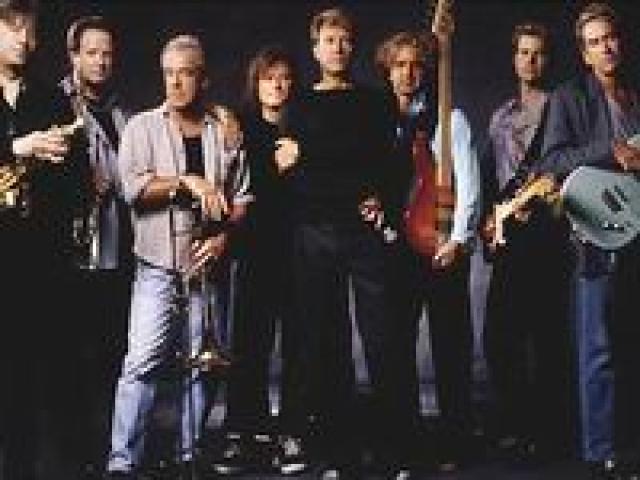
The rock band "Chicago" was known for its horn section, distinguishing them from other rock groups of the mid-60s. Although "Chicago Transit Authority" had a sound similar to bands like "Blood, Sweat And Tears" and "Electric Flag", it was through the efforts of Jim Guercio that the band gained relative popularity in the Los Angeles area in 1967-68. They performed in clubs like the "Whisky A-Go-Go". Founded in Chicago, USA in 1966, the group remained a hit-maker throughout the 70s and 80s.
Early Years and Formation
The band initially went by the names "Missing Links" and "Big Thing" before Jim Guercio, their manager, suggested "Chicago Transit Authority". The original lineup included Terry Kath (born January 31, 1946, Chicago, USA, died January 23, 1978; guitar, vocals), Peter Cetera (born September 13, 1944, Chicago, USA; bass, vocals), Robert Lamm (born October 13, 1944, New York, USA; keyboards, vocals), Walter Parazaider (Walt Parazaider) (born March 14, 1945, Chicago, USA; saxophone), Danny Seraphine (born August 28, 1948, Chicago, USA; drums), James Pankow (born August 20, 1947, Chicago, USA; trombone), and Lee Loughnane (born October 21, 1941, Chicago, USA; trumpet). "Chicago" was known for its horn section, setting them apart from other rock bands of the mid-60s.
Success and Evolution
Thanks to Guercio's reputation as a producer for "Blood, Sweat and Tears" and "The Buckinghams", he signed "Chicago" to Columbia Records in January 1969. That same year, their debut album was released, showcasing jazz influences. Although it didn't reach the Top 10, it remained on the American charts for 171 weeks. The singles "Does Anybody Really Know What Time It Is?" and "Beginnings" also gained popularity. In 1970, the band shortened their name to "Chicago". They continued to work in the jazz-rock style and released "Chicago II". From then on, with a few exceptions, each album the group released was numbered sequentially. The cover art for each album featured various interesting interpretations of the band's emblem, several of which won awards for their design.
Mainstream Success and Challenges
In the early 70s, "Chicago" began to move away from their jazz sound and towards mainstream music, resulting in famous hits like "Colour My World", the transatlantic hit of 1976 "If You Leave Me Now", and the 1982 number one hit "Hard To Say I'm Sorry". Five consecutive "Chicago" albums topped the charts between 1972 and 1975. However, towards the end of the 70s, the band experienced a significant commercial decline and only recovered in the early 80s. In 1974, Lamm released a rather unsuccessful solo album. That same year, the band welcomed Brazilian percussionist Laudir de Oliveira. In the following year, they toured with the "Beach Boys", whose manager was also Guercio. In 1977, after "Chicago X" won a Grammy Award for Best Album, Guercio and the band parted ways. On January 23, 1978, one of the band's founders, Terry Kath, was accidentally killed by a self-inflicted gunshot. Guitarist Donnie Dacus replaced him, but he left the band the following year and was replaced by Chris Pinnick. Pinnick left in 1981, and keyboardist Bill Champlin joined the group.
Later Years and Continued Success
In 1981, "Chicago" transitioned from Columbia Records to the Warner Brothers-owned label "Full Moon Records". During this time, Cetera released a moderately successful solo album. After leaving the band in 1985 (replaced by Jason Scheff, son of bassist Elvis Presley's Jerry Scheff), Cetera released a couple more solo albums. Signing a contract with the more influential label "Reprise Records" in 1988 indicated that "Chicago" was still considered a commercially successful group, despite having moved away from their jazz-rock roots.