Chju De
 China
China- Early Life and Revolutionary Beginnings
- Military Leadership and Communist Party Affiliation
- Collaboration with Mao Zedong
- The Long March and the War with Japan
- The Chinese Civil War and the Founding of the PRC
- Later Years and Death
Early Life and Revolutionary Beginnings
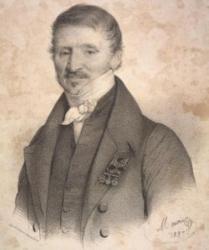
Zhu De, a pivotal figure in Chinese history, was born in 1886. In 1907, he joined the Yunnan Military Academy, where he played a key role in the 1911 Xinhai Revolution that overthrew the Qing dynasty.
Military Leadership and Communist Party Affiliation
In 1913, Zhu De defended the border with French Indochina, developing guerrilla warfare tactics. In the 1920s, he joined the Communist Party of China in Berlin and underwent military training in Germany. Upon returning to China, he actively participated in communist activities, leading the 9th Army Corps in the 1927 Nanchang Uprising.
Collaboration with Mao Zedong
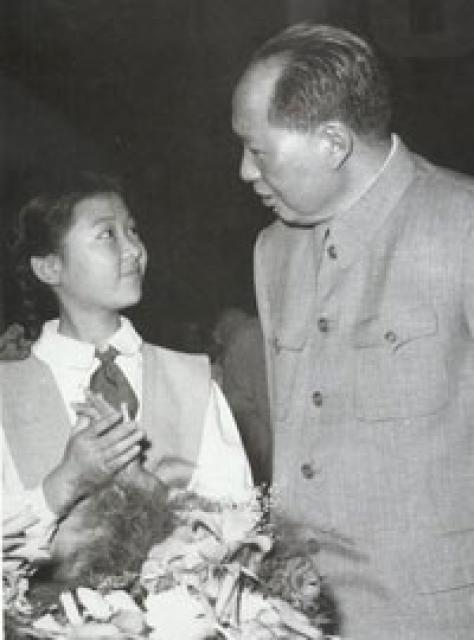
In 1928, Zhu De met Mao Zedong, with whom he formed a close alliance. They established the 4th Army Corps, which successfully resisted the Kuomintang government. In 1931, Zhu De was elected as Chairman of the Revolutionary Military Council, the highest military command in the Chinese Soviet Republic.
The Long March and the War with Japan
Facing a crackdown from the Kuomintang, the communists embarked on the historic Long March in 1934, a 6,000-mile journey to Shaanxi province. In 1937, Zhu De's forces joined the united front against Japan in the Second Sino-Japanese War. He commanded all communist operations against the Japanese until 1945.
The Chinese Civil War and the Founding of the PRC
After World War II, Zhu De led the People's Liberation Army against the Kuomintang in the Chinese Civil War. By 1949, his troops had liberated vast territories, including Beijing, Nanjing, and Shanghai. In October 1949, the People's Republic of China was established, and Zhu De was appointed as Commander-in-Chief of the People's Liberation Army.
Later Years and Death
In 1953, Zhu De became Vice Chairman of the Government Council. He played a key role in the Chinese Communist Party's military and political affairs until his death in Beijing in 1976. Zhu De's legacy as a military strategist and revolutionary leader continues to be highly revered in China.