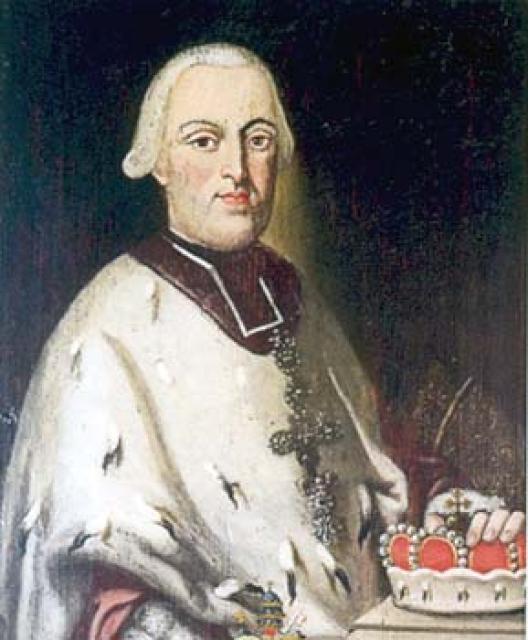
Clemens Wenzeslaus Saxonskiy
 Germany
- Clement Wenceslaus of Saxony: The Last Elector of Trier
- Archbishop of Trier
- Enlightened Reformer
- Revolutionary Conflict and Territorial Loss
- Later Life and Legacy
Clement Wenceslaus of Saxony: The Last Elector of Trier
Early Life and AscendanceClement Wenceslaus was born into the illustrious House of Wettin on September 28, 1739, as the son of Elector Frederick Augustus II of Saxony and Archduchess Maria Josepha of Austria. Blessed with a privileged upbringing, Clement Wenceslaus received an education befitting his royal lineage.
Archbishop of Trier
In 1768, at the tender age of 29, Clement Wenceslaus was elected Archbishop of Trier, a prominent ecclesiastical principality in the Holy Roman Empire. As the last Elector of Trier, he inherited a vast territory and the responsibility of overseeing the spiritual and temporal affairs of its people.
Enlightened Reformer
Clement Wenceslaus was a man of the Enlightenment, renowned for his progressive views and commitment to reform. He implemented significant improvements to the education system in his realm, establishing new schools and revitalizing the University of Trier. His patronage of agriculture and industry led to advancements in farming techniques and the growth of local economies.
Revolutionary Conflict and Territorial Loss
During the French Revolutionary Wars, Clement Wenceslaus aligned himself with the European coalition against France. This decision proved costly. In 1801, he lost his territories on the left bank of the Rhine, and in 1803, he was further deprived of part of his archbishopric on the right bank.
Later Life and Legacy
Despite these setbacks, Clement Wenceslaus continued to serve as Archbishop of Trier until his death in 1812. Though his reign was marked by political upheaval, his reforms and contributions to education and the economy left a lasting legacy on his principality.


