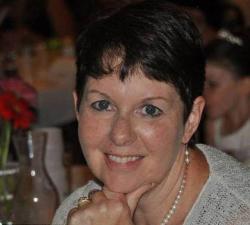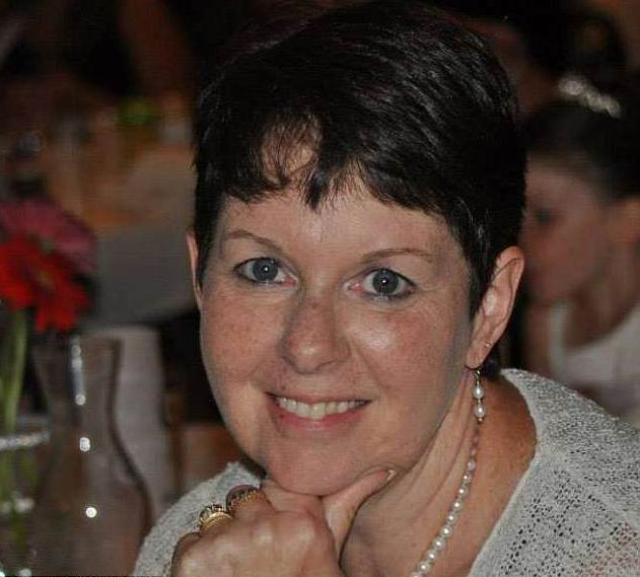
Connie Hoye
 USA
Connie Hoye became an unexpected family historian when a DNA test meant to explore her ancestry instead connected her with a half-brother. The discovery opened a much larger story: her biological father had moved through relationships and families across the United States, leaving children who often knew little or nothing about one another. Hoye took on the work of bringing those relatives together and preserving the history they were uncovering.
A family story with missing chapters
Hoye grew up in Minnesota. She knew by the age of 12 that a man named Allan Barron was her biological father, but only decades later did she begin to understand the scale of the family he had left behind. Her mother, Kathleen, had married him as a teenager while he was using the name Allan Kain. Accounts later pieced together by relatives described a man who concealed parts of his identity and moved frequently.
Hoye’s own search began with an Ancestry.com DNA test, which she had submitted to learn more about her ethnic background. Instead, it revealed a paternal half-brother. As more people compared DNA results, family memories, photographs and documents, a network of siblings emerged across several states.
Building a family tree
By 2018, Hoye had identified six brothers and five sisters who shared her father. The number was still growing, and she became the family’s informal historian, organizing the findings and helping relatives make sense of the connections. She described the story as so extraordinary that it was hard not to laugh, even as the discoveries brought painful memories back for some family members.
The search reached beyond the siblings already found. Hoye was trying to identify a young woman who had appeared at her mother’s Minneapolis home in 1962 with a baby, asking about the child’s father. Hoye believed the infant might be another sister. Finding that woman, she said, would add another piece to a family puzzle that DNA testing had only begun to reveal.
A bond among strangers
The relatives’ shared project turned an unsettling history into a connection of its own. Hoye and her newly found siblings exchanged accounts of a father they had experienced differently, while gradually assembling a record from scattered evidence. Their work showed how consumer DNA databases and online genealogy communities can link people whose family histories were intentionally obscured or simply lost.
Hoye’s public story is chiefly one of persistence and stewardship: she transformed a surprising genetic match into an ongoing effort to identify relatives, document their ties and give a far-flung family a common history.