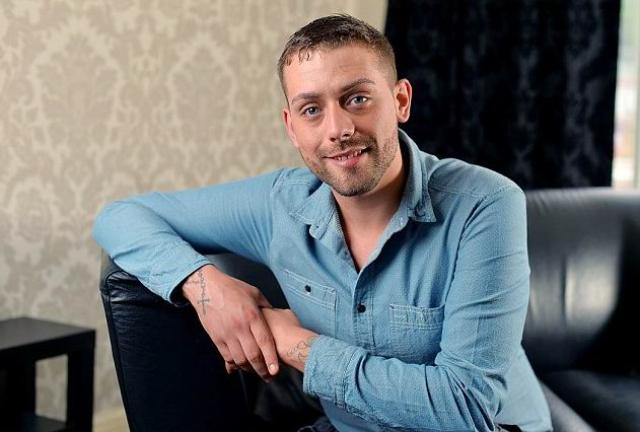
Kenzie Kilpatrick
 Great Britain
Kenzie Kilpatrick became a national news story in 2015 after using Facebook to connect with women and couples seeking a sperm donor. His approach, which he described as a free service apart from some travel costs, drew attention to the growing use of online networks for private donation and the personal and legal questions that can come with it.
Background and Motivation
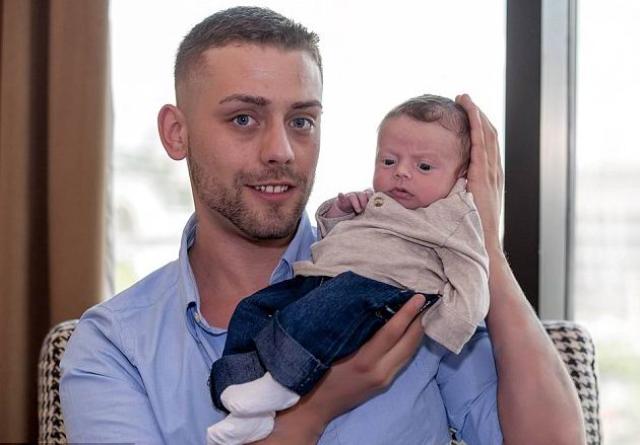
Kilpatrick is from Yardley, Birmingham, and has publicly described himself as gay. He said he first considered sperm donation after reading about it online and wanted to help people who could not afford fertility treatment. In interviews, he framed the decision as a way to help prospective parents build families, especially couples who had experienced unsuccessful IVF treatment.
The Facebook Donor Network
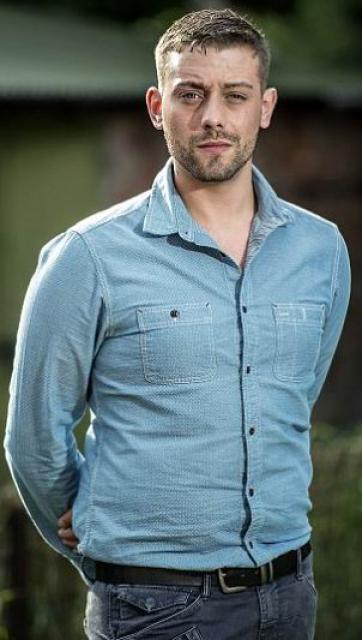
In 2014, he created a private Facebook group called Drama Free UK Sperm Donors. Interested women and couples contacted him through the group, and he arranged donations directly rather than through a licensed fertility clinic. He said he did not charge for the donations, though he sometimes accepted expenses for travel, accommodation, and time away from work.
By June 2015, news outlets reported his claim that he had fathered ten babies with nine women in roughly a year, and that many more prospective parents had approached him. Most of the recipients he described were lesbian couples. He said he was willing to help families he had already assisted have additional children so that siblings could share a biological parent.
The arrangement generated public discussion about the difference between private donation and treatment through a regulated clinic. Fertility professionals urged prospective parents to consider licensed services, which provide medical screening and legal protections. Kilpatrick said he provided health documentation to recipients and that the families set out their expectations in agreements. At the time, media coverage also noted that the legal status of a private donor could differ from that of a donor at a licensed clinic.
After the publicity, Kilpatrick said he would close the Facebook group to new applicants and limit further donations to families he had already helped. The stories brought him considerable attention, but also showed how quickly a private online arrangement could become a matter of public debate.
Public Profile and Legacy
Kilpatrick’s public profile rests primarily on the 2015 reports and interviews about his donation work. He presented the project as a personal act of generosity, while critics and medical organizations emphasized the risks of arranging conception outside regulated clinics. His story became an early, widely covered example of social media reshaping how people find donors and form families, and of the complicated boundaries between biological connection, parenthood, and a donor’s role.


