
Cyrus Vance
 USA
USA- Early Life and Career
- Defense and Government Roles
- Secretary of State
- Iran Hostage Crisis and Resignation
- Later Life and Legacy
Early Life and Career
Cyrus Roberts Vance was born on March 27, 1917, in Clarksburg, West Virginia. His father, an insurance agent and landowner, passed away in 1922, and his mother was active in civic affairs. Vance completed his secondary education at Kent School in 1935 and earned his bachelor's degree from Yale University in 1939. He graduated from Yale Law School in 1942.
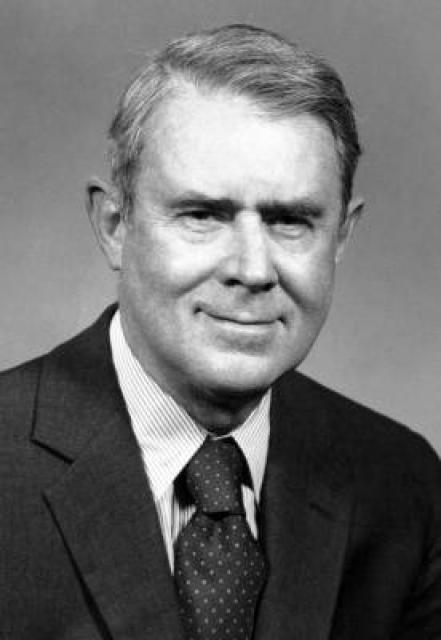
During World War II, Vance served in the U.S. Navy as a gunnery officer aboard the destroyer USS Hale until 1945. After returning to civilian life, he joined the New York City law firm Simpson Thacher & Bartlett and later transitioned to government service.
Defense and Government Roles
Vance served as General Counsel and later Secretary of the Army during John F. Kennedy's administration. He was in office when federal troops were sent to the University of Mississippi to enforce court-ordered desegregation and protect James Meredith, a Black civil rights activist.
As Deputy Secretary of Defense under President Lyndon Johnson, Vance initially supported the Vietnam War, but later reversed his position and resigned. In 1968, he served as a delegate to the Paris peace talks and was awarded the Presidential Medal of Freedom the following year. Vance subsequently became a professor at Georgetown University.
Secretary of State
As Secretary of State in Jimmy Carter's administration, Vance emphasized negotiations and economic engagement with the Soviet Union. He often clashed with hawkish National Security Advisor Zbigniew Brzezinski, who saw the USSR as a mortal enemy. The relationship between Brzezinski and Vance was deeply antagonistic.
Vance's involvement in SALT II negotiations with the Soviets and an agreement to transfer the Panama Canal Zone to Panama strengthened his standing in the administration. However, his influence waned after the Torrijos-Carter and Camp David Accords, while Brzezinski's power grew. Vance's role in negotiations with China was marginalized, and his advice on the Iranian regime was disregarded.
Iran Hostage Crisis and Resignation
When 52 Americans were taken hostage in Iran, Vance was heavily involved in negotiations, but they proved unsuccessful. After Carter ordered the failed military rescue mission known as Operation Eagle Claw, Vance resigned in protest. Vance believed the rescue attempt was too risky and refused to observe its execution.
The mission ended in disaster, with a military helicopter crashing into a parked aircraft, killing eight servicemen. A second rescue attempt was subsequently canceled. Vance returned to Simpson Thacher & Bartlett in 1980 and also engaged in various UN-sponsored negotiations.
Later Life and Legacy
Vance passed away on January 12, 2002, after a battle with pneumonia and Alzheimer's disease. He was portrayed by actor Bob Gunton in the 2012 film "Argo."



