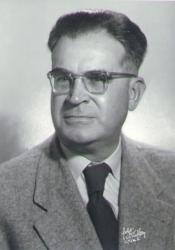
Daidoji Yuzan
 Japan
Japan- Daijōji Yūzan Shigesuke: A Master of Martial Arts and Philosophy
- Imprisonment and Intellectual Pursuits
- Embodiment of Bushidō
Daijōji Yūzan Shigesuke: A Master of Martial Arts and Philosophy
Lineage and Early LifeDaijōji Yūzan Shigesuke was born into an esteemed samurai family descending from the Taira clan. His ancestor in the fifth generation, Shigetoki, was the elder brother of Ise Shinkurō Nagauji, who later became known as Hōjō Sōun, the prince of Odawara and one of the most brilliant administrators of his time. Shigetoki assumed the name Daijōji after the village where he resided. His grandson, Masashige, committed ritual suicide when Odawara was conquered by Hideyoshi in 1590. Masashige's son, Naoshige, became a vassal under the Tokugawa shogunate of Hidetada and fought valiantly in the Siege of Osaka, helping to rally the shogun's forces after they had been battered by desperate attacks from the garrison.
Imprisonment and Intellectual Pursuits
Shigesuke's father, Shigehisu, served under Tokugawa Tadateru, the sixth son of Ieyasu and the younger brother of Hidetada. Tadateru fell under suspicion, lost his territories, and was sent into exile. Shigesuke followed his father into exile, where he dedicated himself to studying and became a devout Confucianist and expert in military strategy. As a result of his knowledge, he was appointed as a military advisor to the prince of Aizu, Matsudaira. After some time, he returned to the Matsudaira household where he served as head of the Kamon, a branch family directly related to the shogun.
Embodiment of Bushidō
Shigesuke's life exemplified his teachings, as he was renowned as a paragon of loyalty, perseverance, and tranquility. He was also a renowned poet, writing works such as "Iwabuchi Yawa" (Evening Talks at Iwabuchi), which chronicles anecdotes about Tokugawa Ieyasu, and "Ochi-bosu," a history of Ieyasu, his followers, and the construction of Edo Castle. In addition, he penned "Taishōden" (Records of the Great Generals), "Goshiron" (On the Five Retainers), and "Bushōshōshinshū" (Instructions for the Warrior Who Begins the Way).