Daniel Ellsberg
 USA
USA- Biography of Daniel Ellsberg
- Early Life and Education
- Involvement in Vietnam and Change of Heart
- The Pentagon Papers and Public Disclosure
- Recognition and Legacy
Biography of Daniel Ellsberg
Daniel Ellsberg, an American military analyst, rose to fame overnight when he made public classified Pentagon documents that revealed plans to escalate aggression in Vietnam. His conscience and belief in his own righteousness led him to join the ranks of hundreds of fearless Americans who protested against the war in Vietnam.

Early Life and Education
Daniel Ellsberg was born on April 7, 1931, in the United States and grew up in Detroit. He attended Cranbrook Kingswood School and later enrolled at Harvard University, where he earned a doctorate in economics in 1962. After completing his studies, Ellsberg served as an officer in the Marine Corps for two years before becoming an analyst at the RAND Corporation.

Involvement in Vietnam and Change of Heart
In 1964, Ellsberg worked at the Pentagon under the guidance of Deputy Defense Secretary Robert McNamara. He later served in Vietnam, where he formed his views on the illegality and futility of the US military actions. As the US escalation in Vietnam continued, Ellsberg became increasingly disillusioned with the situation. After returning to America, he resumed working at RAND Corporation.
The Pentagon Papers and Public Disclosure
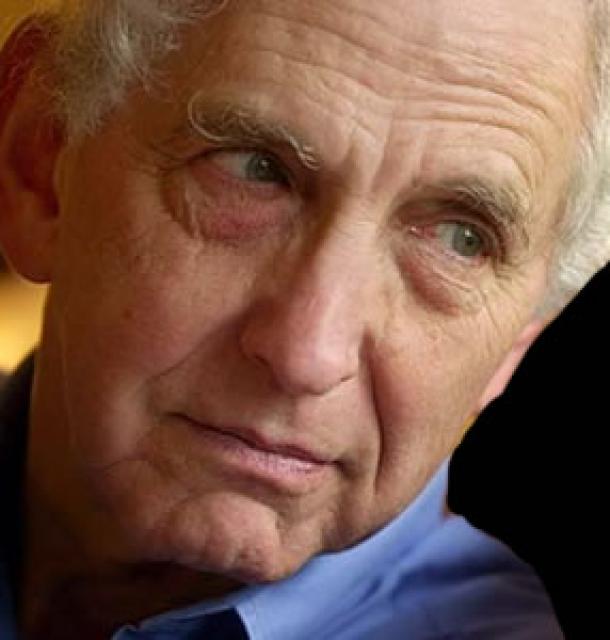
In 1967, as a Vietnam expert, Daniel Ellsberg gained access to top-secret documents related to the Vietnam War, later known as the Pentagon Papers. He was one of the few individuals allowed to learn about the thoughts and disregard for the suffering and death of civilians held by high-ranking officials. In 1969, while still employed at RAND, Ellsberg became completely disillusioned with the war and began attending anti-war events. Determined to contribute to the end of the conflict, he made copies of important documents stored in his safe and, in 1971, leaked them to the press. The New York Times published the first nine pages, out of a total of 7,000. Ellsberg was forced to go into hiding and reappeared in the public eye years later during his trial.
Recognition and Legacy
In 2006, many years after the events, Daniel Ellsberg was awarded the Right Livelihood Award, also known as the "Alternative Nobel Prize," for his courage and ethical conduct in life. Today, he is remembered as a whistleblower who played a significant role in bringing the truth about the Vietnam War to light and challenging the government's actions.