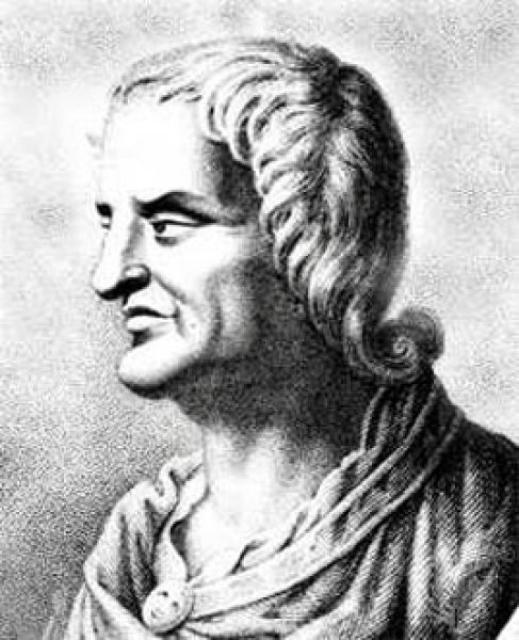
Decimus Junius Juvenalis
Juvenal: The Greatest Roman Satirist
Chronology and OriginDecimus Iunius Iuvenalis, commonly known as Juvenal, lived approximately from 55-60 to after 127 CE. Born in Aquinum, southeastern Lazio, he ventured into serious literary endeavors later in life, most likely after the death of Emperor Domitian in 96 CE.
Literary Career
Juvenal is renowned for his biting satirical poetry written in hexameter. Fifteen of his satires have survived, grouped into five books. While the first book was published around 100 CE, the remaining books were released sporadically until 127 CE.
Satirical Themes
Juvenal's satires vividly depict the vices and crimes prevalent in Roman society, primarily during his youth and early adulthood. Despite living during the relatively prosperous reigns of Trajan and Hadrian, Juvenal's works obsessively evoke the darker eras of Nero and Domitian.
In Satire I, Juvenal asserts his poetic mission, which he deems essential due to the rampant corruption. He focuses on the depravity of the living, attacking actors, sodomites, and the ruling elite.
Satires II and III criticize Roman lifestyles, materialism, and the influx of manipulative Greeks. Satire IV targets the corrupt emperor Domitian and members of his court.
Satires V, VI, and VII highlight the plight of the poor and the powerless, exposing the vanity and cruelty of the wealthy. Juvenal also delves into the subjects of nobility (Satire VIII), morality (Satire IX), and human desire (Satire X).
Satires XI and XII praise the virtues of a simple life and the importance of friendship. Satire XIII explores the theme of ingratitude and the corruption of society. Satire XIV emphasizes the influence of parental example on children's behavior.
Legacy
Juvenal's satires offer a stark portrayal of Roman society, exposing its vices and superficiality. Known for his passionate indignation and his unforgettable scathing wit, Juvenal's influence on later literature is undeniable. Many of his iconic phrases, such as "panem et circenses" ("bread and circuses") and "mens sana in corpore sano" ("a sound mind in a sound body"), have become ingrained in popular culture.


