Dervish Muhammad
- An Exceptional Persian Artist: Derwish Muhammad
- The Hamseh Manuscript: A Journey of Creation and Patronage
- Fateful Interruptions and Royal Patronage
- Derwish Muhammad: A Court Artist under the Aq Qoyunlu
- The "Turkman" Style: A Reflection of Patronage
An Exceptional Persian Artist: Derwish Muhammad
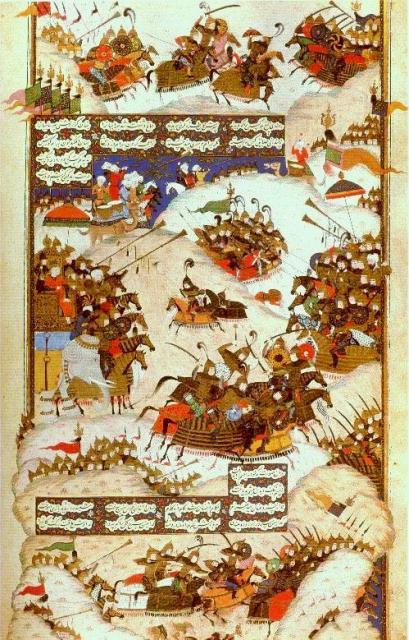
In the tumultuous times of the late 15th century, a Persian artist named Derwish Muhammad emerged as a master of miniature painting. His name graces the pages of a single, yet magnificent manuscript: the "Khamsah" of Nizami.
The Hamseh Manuscript: A Journey of Creation and Patronage
The popular anthology of poems, known as the "Khamsah," was commissioned by Timurid prince Abu'l Qasim Babur, but his untimely death left the work incomplete. After Herat's capture by Jahan Shah, the manuscript found its way to his son Pir Budaq. It subsequently passed to Khalil Sultan, the ruler of the Aq Qoyunlu, who entrusted calligrapher Abd al-Rahman al-Khwarazmi with the completion of the text and artists Shaykhi and Derwish Muhammad with its illustration.
Fateful Interruptions and Royal Patronage
Khalil Sultan's death in 1478 led to the unfinished manuscript falling into the hands of his brother, Yaqub. However, fate intervened once more, and Yaqub also passed away before the manuscript's completion in 1490. Finally, it reached the court of Ismail I, the founder of the Safavid dynasty, under whose patronage it was finally finished.
Derwish Muhammad: A Court Artist under the Aq Qoyunlu
Derwish Muhammad's artistic talents flourished under the patronage of the Aq Qoyunlu rulers, who conquered Tabriz and were avid patrons of books and painting. Tabriz's artistic tradition had already thrived for decades before the arrival of these new rulers.
The "Turkman" Style: A Reflection of Patronage
Derwish Muhammad and his fellow artist Shaykhi collaborated on the "Khamsah" manuscript, infusing its miniatures with a style that reflected the tastes of Yaqub and Khalil Sultan. Known as the "Turkman" style, it was characterized by its opulence and vibrancy. This style found a fervent advocate in the Safavid shah Ismail I, who encouraged its further development at his court.