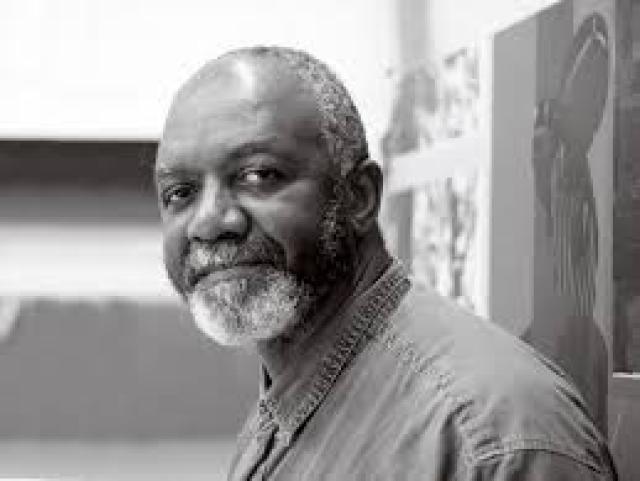
Kerry James Marshall
 USA
USA- Kerry James Marshall: Master of Black Identity in Art
- Defining Style and Themes
- Notable Exhibitions and Recognition
- Historical and Cultural References
- The "Garden Project" Series
Kerry James Marshall: Master of Black Identity in Art
Early Life and EducationKerry James Marshall, born on October 17, 1955, in Birmingham, Alabama, grew up amidst the significant events shaping the Civil Rights Movement in Los Angeles. Raised in both South and Central Los Angeles, including the influential neighborhood of Watts, Marshall's formative experiences had a profound impact on his artistic vision. Despite a lack of support or opposition from his family, he pursued art education at Otis College of Art and Design, graduating in 1978. Marshall credits a series of serendipitous encounters as guiding his path: "You want to be an artist? You go there... And every place I went, I met beautiful people that passed me on to the next level."
Defining Style and Themes
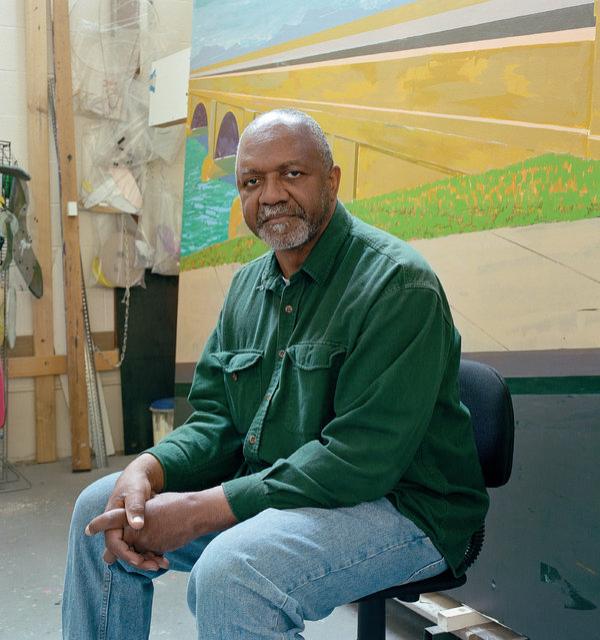
Marshall's unique artistic style emerged early in his career, focusing predominantly on the portrayal of Black figures. Through his paintings, he explored the complexities of African American identity, revealing the nuanced experiences and aspirations of the community. His works also confronted racial stereotypes pervasive in contemporary American society.
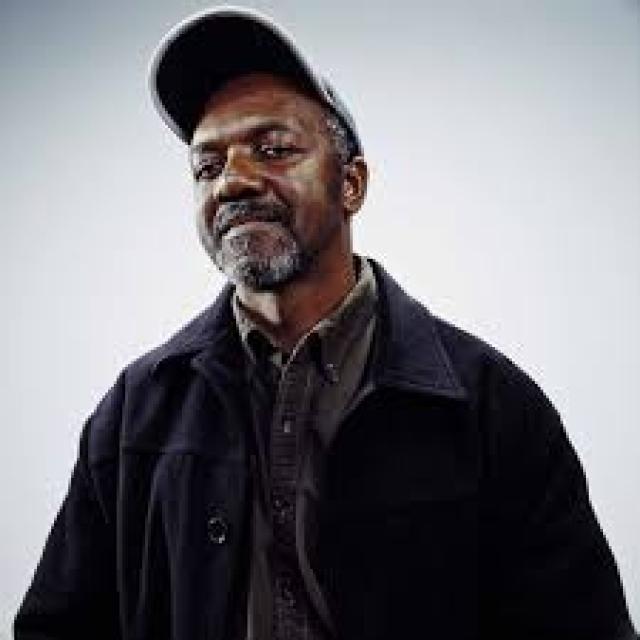
Known for his large-scale paintings, sculptures, and other works, Marshall's art serves as a chronicle of African American history and the lived experiences of Black people. In a 1998 interview with Bomb magazine, he explained: "Black people move through space, even everyday space, in really interesting ways. Style is just inherent in Black people so that even [walking] is not just about getting somewhere. You have to move with style. You have to talk with a certain rhythm; you have to act out."
Among his notable works is "Rythm Mastr," a comic book-like portrayal of a superhero influenced by African mythology and urban life. Another prominent series, "Garden Project," critically examines the glorified public housing projects that often conceal desperate poverty. In "Lost Boys," Marshall highlights the plight of young Black men "lost in the ghetto, forgotten in public housing, mired in unemployment, and drowning in illiteracy."
Notable Exhibitions and Recognition
Marshall's first major solo exhibition, organized by the Renaissance Society at the University of Chicago in 1998, toured the United States. His works have been featured in numerous American and international exhibitions, including the Venice Biennale in 2003 and Documenta in 1997 and 2007.
In 1997, Marshall received a MacArthur Foundation "genius grant." He is married to Helen Hayes Award-winning actress Cheryl Lynn Bruce.
Historical and Cultural References
Throughout his career, Marshall has utilized historical events to inform his artwork. One such example is "Voyager," created in 1992, which powerfully addresses the horrors of the transatlantic slave trade by depicting a ship outfitted for carrying African slaves. Symbolism plays a significant role in "Voyager," with the two Black figures in the boat and the woman's flower-adorned neck contrasting with the light clouds above and the dark backdrop. A skull floating in the water near the boat suggests the ominous fate awaiting its captors, while the unnamed woman's expression conveys a sense of unease, compelling viewers to confront uncomfortable truths.
Marshall also challenges Western ideals of beauty in his work, embracing the beauty of Black people. In "La Venus Negra," a nude female figure blends seamlessly into the dark surroundings, her sensual form barely visible. Upon closer examination, however, she exudes feminine grace and power through the depth of her black skin. Marshall himself admitted to having "never thought of a Black woman as being a goddess of love and beauty," but in "La Venus Negra," he presents a possibility. By defying the classical representation of female beauty as a white woman with flowing hair, Marshall once again confronts the issue of African American identity within a Western context.
The "Garden Project" Series
Marshall's "Garden Project" series is noteworthy for its examination of the stark contrast between idealistic public housing projects and the harsh realities of life within them. Beyond this juxtaposition, the series also conveys a sense of community and a belief in the ability of African Americans to create a meaningful home even within substandard housing.
Inspired by his former home, Nickerson Gardens, Marshall's "Garden Project" series ironically plays on the connotations associated with the word "garden." The five paintings depict various housing projects—Rockwell Gardens, Wentworth Gardens, Stateway Gardens, and others—highlighting the absurdity of their seemingly idyllic names in light of their dilapidated state. Painted on unstretched canvas with rough textures, the "Garden Project" series resembles murals and evokes the weariness of public housing living.


