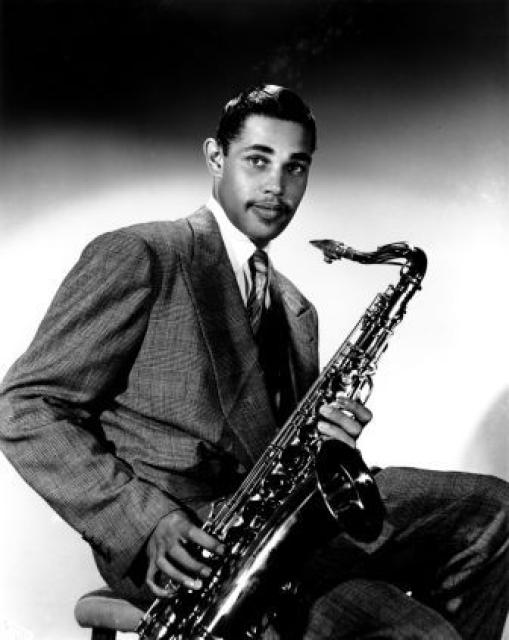
Dexter Gordon
 USA
USADexter Gordon's Biography
Dexter Gordon, an American jazz saxophonist, was born on February 27, 1923, in Los Angeles. He grew up in a family of doctors, with many jazz musicians among his father's patients. At the age of thirteen, he first picked up the clarinet and studied under Lloyd Reese, whose other students included Charles Mingus and Buddy Collette.
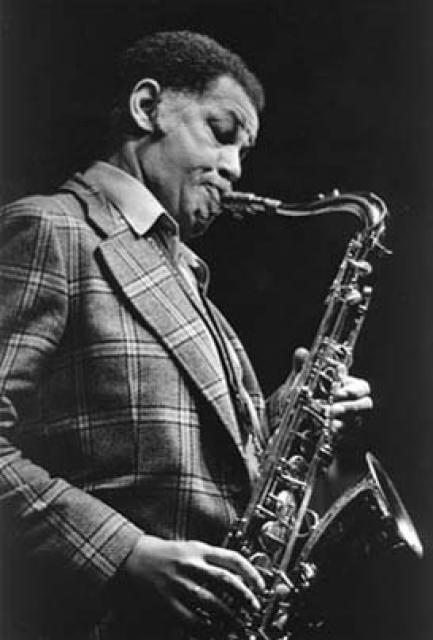
In 1940, Gordon started playing in Lionel Hampton's orchestra, where he gained his initial popularity, even though he rarely soloed. After Hampton left in 1943, Gordon performed as a solo leader for the first time, playing in a quintet with Nat King Cole. Until 1944, he performed in Los Angeles, playing with Lee Young, Fletcher Henderson's orchestra, and Louis Armstrong's big band.
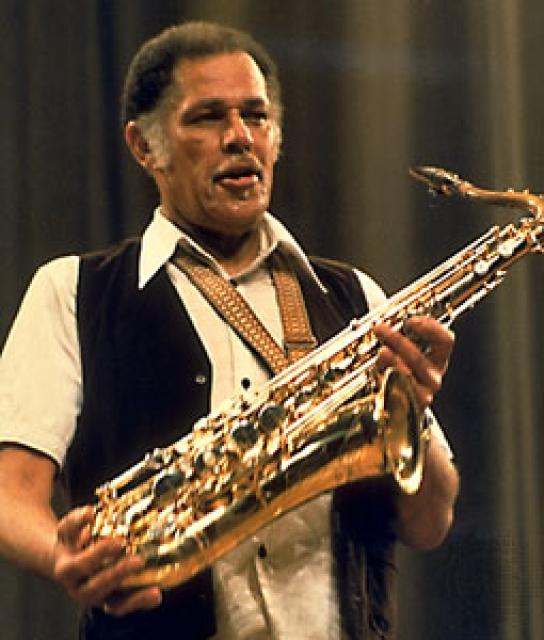
In December 1944, Gordon moved to New York, where he joined Billy Eckstine's orchestra and participated in the recording of the album "Blowin' the Blues Away." His recordings with Dizzy Gillespie and Fats Navarro established Gordon as a leading figure in bebop. Compositions such as "The Chase" and "The Duel" perfectly capture the atmosphere of this period in Dexter's career.
In the 1950s, struggles with drug addiction led Gordon to imprisonment and a temporary loss of creative activity for several years. By 1960, he made a comeback and began recording sessions for "Blue Note." In 1962, Dexter regained his former popularity, returning to New York with concert tours.
In September 1962, Dexter toured London, and Europe welcomed him so warmly that he settled in Copenhagen for fifteen years, only occasionally making short trips to the US. These years marked the peak of his career, and many recordings from that time testify to it being the best period of his musical journey.
In the USA, Gordon recorded infrequently, with sessions in 1965, 1969-1970, and 1972, but he enjoyed fame on both sides of the Atlantic. His return to his homeland in 1976 caused a real sensation, making headlines in newspapers and magazines. Jazz fans lined up for hours to attend Gordon's shows, witnessing the legendary saxophonist's unparalleled playing.
By the end of the decade, Gordon recorded actively and further enhanced his popularity. However, in the early 1980s, he took a break from the stage due to a sudden deterioration in his health. His third comeback occurred when he starred in the film "Round Midnight." Gordon's performing skills, now as an actor, were praised by many critics, and he was nominated for an Academy Award for Best Actor in 1987.
In 1980, Dexter Gordon was inducted into the Jazz Hall of Fame and named "Musician of the Year" by the readers of Down Beat magazine in 1978 and 1980.
Gordon passed away on April 25, 1990, due to kidney failure. He was a father to six children and the godfather of future Metallica drummer Lars Ulrich. Gordon played a crucial role in shaping modern tenor saxophone sound, and his music had a significant influence on subsequent generations of tenor saxophonists, including Sonny Rollins and John Coltrane.


