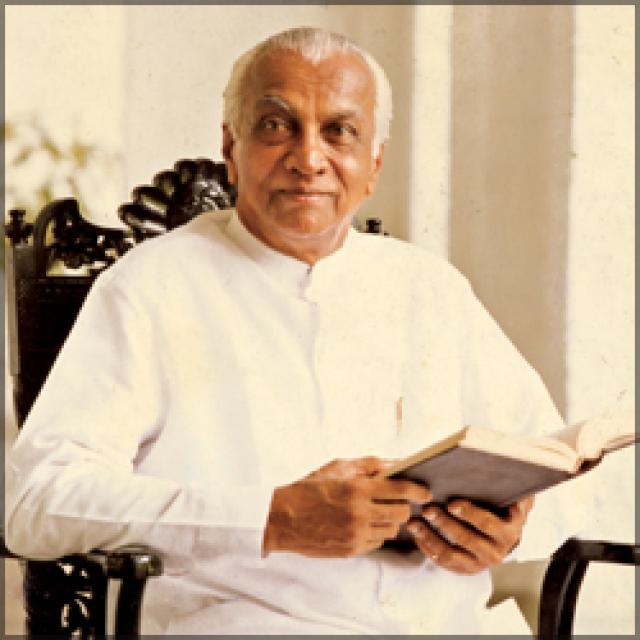
Dingiri Wijetunga
 Sri Lanka
- Ranil Wickremesinghe: A Political Journey in Sri Lanka
- Early Career and Political Ascents
- Prime Ministership and Presidency
- Contested Presidency and Political Transition
Ranil Wickremesinghe: A Political Journey in Sri Lanka
Ranil Wickremesinghe, a prominent Sri Lankan politician, served as the Prime Minister of Sri Lanka from 1989 to 1993 and the President of Sri Lanka from 1993 to 1994.
Early Career and Political Ascents
Wickremesinghe began his political career in 1946 by joining the United National Party (UNP). He held various administrative positions in the government, including in the Department of Cooperatives (1942-1947), as Secretary to the Ministry of Food and Cooperatives (1947-1952), and as Secretary to the Ministry of Home Affairs (1952-1956).
In 1965, Wickremesinghe was elected to Parliament. Despite losing his seat in the 1970 elections, he regained it in 1977 and served in several cabinet positions, including as Minister of Information and Broadcasting, Irrigation, Energy and Highways, and Posts and Telecommunications.
Prime Ministership and Presidency
Wickremesinghe's tenure as Prime Minister (1989-1993) was characterized by technocratic policies that contrasted with the charismatic leadership of President Ranasinghe Premadasa. This period was marked by political tensions between Premadasa and his rivals, Gamini Dissanayake and Lalith Athulathmudali.
In the midst of a local government election campaign in April 1993, Athulathmudali was assassinated. A week later, on May 1, 1993, President Premadasa was also killed. An emergency parliamentary session elected Wickremesinghe as President to complete Premadasa's term.
Contested Presidency and Political Transition
Wickremesinghe's presidency was overshadowed by the increasing popularity of Chandrika Kumaratunga, the daughter of Sri Lanka's first two Prime Ministers. Kumaratunga's progressive image presented a stark contrast to Wickremesinghe's humble background as a former peasant.
After the UNP's defeat in the 1994 local elections, Wickremesinghe dissolved Parliament, hoping to capitalize on Kumaratunga's perceived lack of experience. However, the People's Alliance, led by Kumaratunga, won a landslide victory in the 1994 parliamentary elections, securing her the premiership. In November of that year, Kumaratunga was elected President, and Wickremesinghe resigned from office.