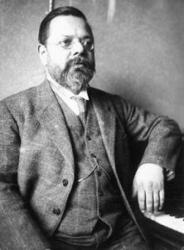
Diomedes Cato
 Italy
Italy- Diomede Cato: A Renowned Italian Composer and Lutenist in Poland
- Early Life and Education
- Career at the Royal Court
- Musical Achievements in Sweden
- Compositional Output
- Vocal and Instrumental Music
- Influence and Legacy
Diomede Cato: A Renowned Italian Composer and Lutenist in Poland
Diomede Cato, a prolific Italian composer and lutenist, spent most of his life and career in Poland.
Early Life and Education
Born between 1560 and 1565 near Treviso, Cato originated from a Protestant family that fled Italy during the Inquisition. They settled in Poland around 1565. Cato's musical education took place entirely in Krakow, where his family resided.
Career at the Royal Court
Cato's first professional engagement was as a lutenist at the court of King Sigismund III of Sweden and Poland, a position he held from 1588 to 1593. During this time, he composed music for the Kostka family's wedding in 1591, which suggests a patronage relationship. After the passing of Stanislaw Kostka in 1602, Cato inherited a substantial sum.
Musical Achievements in Sweden
In 1593-1594, Cato accompanied King Sigismund to Sweden, where he gained significant recognition as a lutenist and composer. By the 1600s, he had become the most prominent Italian-born composer in Sweden. Several of his compositions, including Polish dances, have only been preserved in Swedish sources.
Compositional Output
Diomede Cato's repertoire encompasses both sacred and secular, vocal and instrumental works. However, it is his lute compositions that have garnered the most fame. Spanning various forms and styles, they include "Polish dances" (chorea polonica), fantasies, galliards, preludes, and more. Stylistically, they showcase the full range of the lute's capabilities.
Vocal and Instrumental Music
Cato's vocal works include a collection of Polish spiritual songs published in the anthologies "Latin Rhythms, Wonderfully Artful" for four voices and lute and "Hymn to Saint Stanislaus" for four voices. Additionally, a five-part Italian madrigal, "Tirsi morir volea," bears his authorship. His instrumental compositions extend to pieces for viol consort and keyboard instruments.
Influence and Legacy
Cato's music exhibits elements of both early Baroque and late Renaissance styles. Short, repeated motifs that coalesce into larger sections characterize his work, as do episodic links within the core theme. However, certain lute compositions employ archaic imitative vocal lines reminiscent of mid-16th century practices. Diomede Cato's musical legacy continues to inspire and fascinate musicians and music lovers alike.