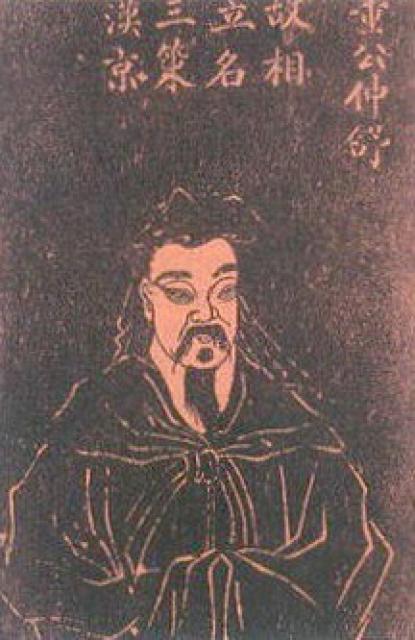
Dong Zhongshu
- Dong Zhongshu: A Confucian Philospher and Scholar
- Political Career
- Influence on Han Dynasty
- Establishment of Imperial School
- Writings and Theories
- Relationship between Heaven and Man
- Omens and Warnings
- Confucian Scholars as Interpreters
- Legacy
Dong Zhongshu: A Confucian Philospher and Scholar
Early LifeDong Zhongshu was a Confucian philospher who lived during the Han dynasty. Little is known about his early life, but he is believed to have been born in the late 3rd century BCE.
Political Career
In 134 BCE, Dong Zhongshu became an advisor to Emperor Wu of Han. As a close advisor, he played a significant role in the political and intellectual landscape of the Han court.
Influence on Han Dynasty
Dong Zhongshu is best known for his influence on the Han dynasty. He was a staunch advocate for Confucianism and worked tirelessly to establish it as the dominant ideology of the empire.
Establishment of Imperial School
One of Dong's most significant contributions was the establishment of the imperial school for officials. This school became a center for Confucian studies and helped to spread Confucian teachings throughout the empire.
Writings and Theories
Dong Zhongshu's writings, particularly his "Luxuriant Dew of the Spring and Autumn Annals," played a vital role in shaping Confucian thought. In this work, he attempted to reconcile Confucianism with ancient theories on the five elements and the yin-yang dialectic.
Relationship between Heaven and Man
Dong's philosophy centered on the relationship between humans and heaven. He believed that the emperor was the mediator between heaven and earth. The emperor's responsibility was to maintain harmony between the positive (yang) and negative (yin) forces.
Omens and Warnings
Dong believed that the emperor's actions could have a profound impact on the natural order. When the emperor failed to fulfill his duties, heaven would send omens and warnings, such as droughts and floods.
Confucian Scholars as Interpreters
Dong argued that Confucian scholars had a special role to play in interpreting these omens and correcting the emperor's errors. He believed that by studying the Confucian classics and understanding the principles of heaven, Confucian scholars could provide guidance to the emperor and ensure the well-being of the empire.
Legacy
Dong Zhongshu's ideas had a profound impact on Confucian thought and Chinese culture as a whole. His emphasis on the relationship between heaven and man, the importance of Confucianism, and the role of scholars in society shaped the development of Chinese political and intellectual traditions for centuries to come.