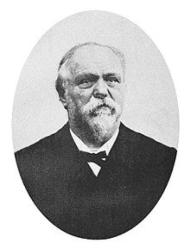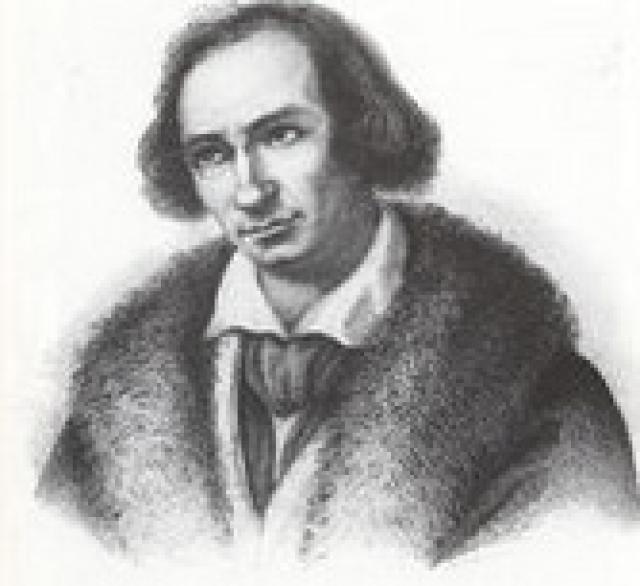
Georg Friedrich Daumer
 Germany
- Georg Friedrich Daumer: A German Poet and Philosopher
- Conversion and Controversial Works
- Influence on Anti-Religious Propaganda
- Later Writings and Literary Contributions
Georg Friedrich Daumer: A German Poet and Philosopher
Early Life and EducationGeorg Friedrich Daumer, a renowned German poet and philosopher, was born into a gifted yet eccentric and unstable family. While studying at Erlangen University, he developed an interest in poetry and later embraced the philosophy of Schelling, transforming from a Protestant to an outspoken critic of Christianity.
Conversion and Controversial Works
In the 1850s, after relocating to Frankfurt, Daumer experienced a significant transformation. He converted to Catholicism (either in Frankfurt in 1859 or in Mainz in 1858) and became an ardent advocate for his newfound faith. During his period of anti-Christian sentiment, Daumer published numerous anti-theological works, including "Philosophie, Religion, und Altertum" and "Der Feuer- und Molochdienst der Hebr?er." He also preached a new religion of "love and goodness" outlined in his work "Religion des neuen Weltalters."
Influence on Anti-Religious Propaganda
Daumer's writings from his anti-Christian period were later used in anti-religious propaganda. His book "Die Geheimnisse des christlichen Altertums" became a cornerstone for Karl Marx's accusations of Christian cannibalism, claiming that early Christians practiced ritual murder and consumed human flesh and blood at their sacred feasts.
Later Writings and Literary Contributions
Following his conversion, Daumer published several pro-Catholic works, including "Meine Konversion" and "Das Wunder, seine Bedeutung, Wahrheit und Notwendigkeit." He was also appreciated for his poetic abilities, particularly his translations and adaptations of Hafiz's works published in 1846 and 1853. Some of these poems were set to music by Johannes Brahms, becoming beloved songs.