Eduard Kunneke
 Germany
- Eduard Künneke: A Master of Melody
- Early Life and Education
- Artistic Beginnings
- The Golden Age of Operetta
- Collaboration and Success
- Beyond Music
- Legacy and Influence
Eduard Künneke: A Master of Melody
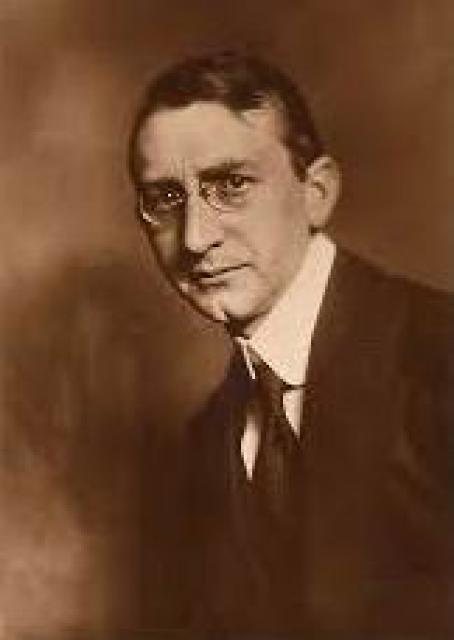
Eduard Künneke (1885-1953) was a German composer, conductor, and pianist who left an enduring mark on the world of music. His popular operettas, operas, and film scores continue to captivate audiences to this day.
Early Life and Education
Born in Emmerich, Germany, Künneke began studying music at a young age. He went on to study at the Berlin Conservatory under the tutelage of Max Bruch.
Artistic Beginnings
After completing his studies, Künneke worked as a choirmaster in various music theaters in Berlin. His breakthrough came with the success of his 1909 opera, "Robins Ende," which was staged in 38 theaters across Germany.
The Golden Age of Operetta
In 1921, Künneke turned his attention to operetta. His masterpiece, "Der Vetter aus Dingsda" ("The Cousin from Nowhere"), premiered the following year. With its exquisite and memorable melodies, the operetta became a runaway success throughout Europe and remains popular in Germany today.
Collaboration and Success
Künneke was married to opera singer Katarina Garden (née Krapotkin). Together they had a daughter, Evelyn, who became a renowned singer, actress, and dancer.
In 1926, Künneke scored another triumph with his operetta "Lady Hamilton." He also collaborated with Max Reinhardt, composing the music for his production of Goethe's "Faust." As a conductor, Künneke led performances of operas and classical works.
Beyond Music
Despite his musical achievements, Künneke considered his primary passion to be his research in the humanities. For his translation of "Beowulf," he was awarded an honorary doctorate from the University of Marburg.
Legacy and Influence
Künneke's music continues to be celebrated. Between 1949 and 1965, Westdeutscher Rundfunk released a series of albums featuring his operettas. His compositions remain a testament to the enduring power of melody and the enduring legacy of German music.