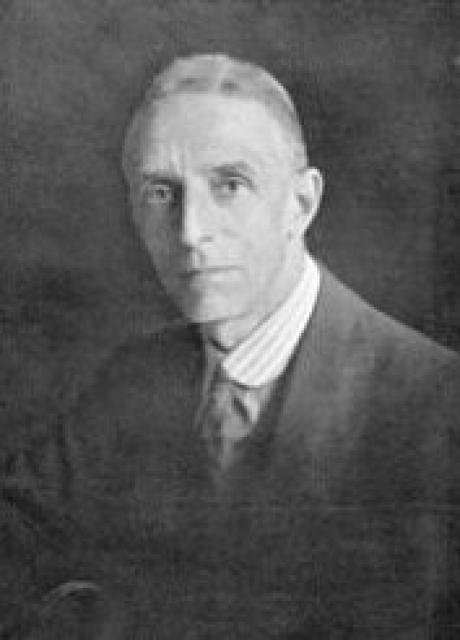
Edward Bairstow
 Great Britain
- Early Life and Education
- Musical Training and Career
- York and Beyond
- Compositions and Publications
- Legacy and Recognition
Early Life and Education
Edward Henry Fellowes was born on November 11, 1870, in Winchester, Hampshire, England. From a young age, he exhibited a passion for music, particularly the organ. After completing his schooling, he pursued his musical studies at Balliol College, Oxford University, where he focused on organ performance.
Musical Training and Career
Post-graduation, Fellowes sought further organ instruction under the renowned Westminster Abbey organists, Sir Frederick Bridge and Sir Walter Alcock. His exceptional talent led him to various organist positions at prominent cathedrals, including London, Wigan, and Leeds. In 1929, he was appointed Professor of Music at Durham University.
York and Beyond
Fellowes' most significant appointment came in 1913 when he became the titular organist of York Minster, a position he held until his passing. During his time at York, he played an instrumental role in the restoration and expansion of the Minster's organ.
Compositions and Publications
Throughout his career, Fellowes composed a vast collection of sacred works, including hymns, canticles, and organ pieces. He also authored a respected textbook on counterpoint and harmony, which has seen multiple editions. Additionally, he penned a significant work on musical form, titled "The Evolution of Musical Form."
Legacy and Recognition
Edward Henry Fellowes' contributions to British music were immense. His compositions, publications, and scholarship continue to be studied and performed today. He is widely recognized as one of the foremost English musicians of the early 20th century. His legacy lives on through his music and the enduring influence he had on the organ world.


