Edward Estlin Cummings
 Great Britain
- Early Life and Education
- Avant-Garde Influences and Controversies
- Arrest and Imprisonment
- Avant-Garde Poetry and Formal Experiments
- Travels and Artistic Influences
- Visual Artistry and Typography
- Later Career and Legacy
Early Life and Education
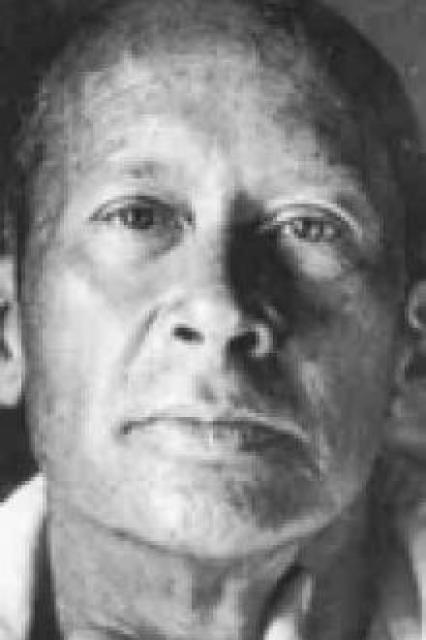
Edward Estlin Cummings (1894-1962), often stylized as e.e. cummings, was an American poet, writer, artist, and playwright. Cummings attended Harvard University from 1911 to 1916, earning a Bachelor of Arts in 1915 and a Master of Arts in 1916. During his time at Harvard, his poetry was published in the university's newspapers, the Harvard Monthly and the Harvard Advocate.
Avant-Garde Influences and Controversies
In 1914, Cummings came under the influence of avant-garde writers such as Gertrude Stein and Ezra Pound. He graduated from college with honors in 1915 and delivered a controversial commencement speech titled "The New Art." In the speech, Cummings criticized renowned avant-garde poet Amy Lowell, despite intending to praise her. This led to widespread media criticism.
Arrest and Imprisonment
Cummings volunteered as an ambulance driver in France in 1917 but spent several weeks in Paris due to a clerical error. His outspoken pacifist views led to his arrest on charges of espionage in September 1917. He was imprisoned in the Dêpot de Triage concentration camp for three and a half months. His experiences there became the basis for his novel "The Enormous Room."
Avant-Garde Poetry and Formal Experiments
Cummings was known for his experimental and unconventional approach to poetry. He often neglected capitalization, broke lines, phrases, and words in unexpected places, and played with punctuation and syntax. Despite his formal innovations, he also wrote more traditional sonnets.
Travels and Artistic Influences
Cummings lived in Paris from 1921 to 1923 and traveled extensively through Europe. He visited the Soviet Union in 1931, an experience that disillusioned him with its lack of artistic freedom. Throughout his career, he was influenced by Dadaism and Surrealism.
Visual Artistry and Typography
In addition to poetry and writing, Cummings was an accomplished artist. He painted, drew, and experimented with different mediums. He believed that the visual presentation of a poem could enhance its meaning and often used typography to "draw pictures" with words.
Later Career and Legacy
Cummings' work gained widespread popularity and critical acclaim, particularly among young readers. He remained dedicated to his experimental style, despite accusations of repetition. By the time of his death in 1962, he was one of the most celebrated poets in the English language, second only to Robert Frost in popularity. Cummings' vast body of work includes over 900 poems, two novels, plays, essays, and numerous drawings, sketches, and paintings.