Egor Letov
 Russia
Biography of Egor Letov
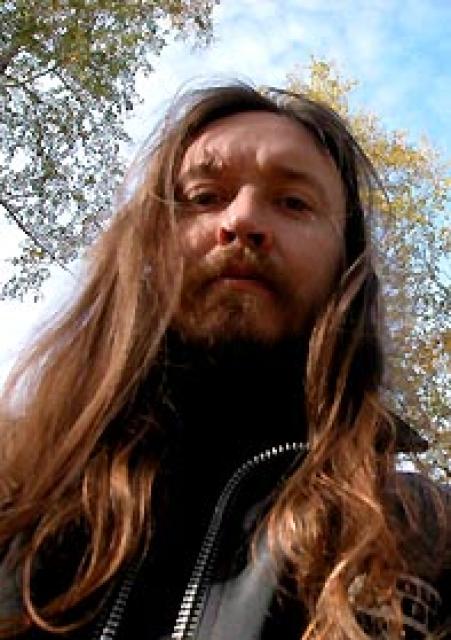
Egor Letov was a Soviet and Russian musician, poet, and graphic designer. He was the founder, leader, and only permanent member of the band "Grazhdanskaya Oborona" (Civil Defense). Letov was not just a unique individual, but also one of the most authentic musicians of the Russian underground scene. His constant and agonizing search for new forms of expression spoke of his extraordinary talent. Letov always found himself in the underground and opposed any authority, culture, and morality. He believed only in rock and roll. As the musician himself said, rock is about living fully or not living at all.
Early Life
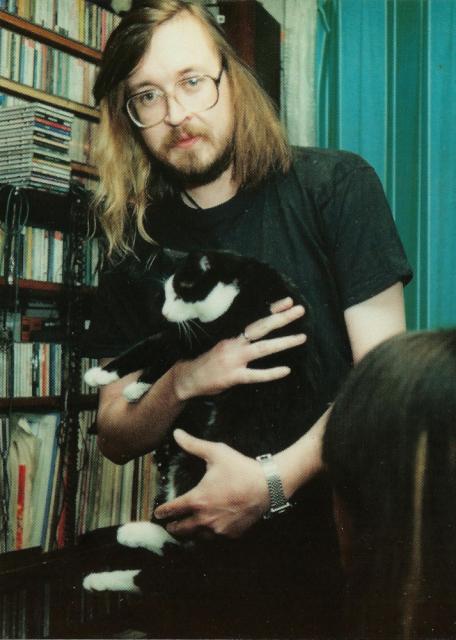
Egor Letov was born on September 10, 1964, in Omsk, Russia. His father was a military officer, and his mother worked as a doctor. According to his older brother, Egor often lost consciousness without any reason until the age of 16, and once even experienced clinical death. In 1982, he graduated from high school and started working as a graphic designer in the propaganda departments of Omsk Motor Plant and Omsk Tire Plant. Egor also had to work as a plasterer and janitor. His older brother, Sergey, introduced him to rock music. Sergey, who later became a famous jazz musician, studied at Novosibirsk University and often brought records from Akademgorodok. Among them were recordings of bands like The Who, Shocking Blue, and others. Sergey didn't delve into this music, but sold the records for profit. He recorded the "deficit" music for anyone willing to pay 3 rubles. Egor, on the other hand, had a different attitude. According to Letov, the first time he listened to The Who was an "incredibly powerful shock" for him. He realized that this music was meant for him, and he found himself in it. Later, Egor became acquainted with other rock bands such as The Beatles, Led Zeppelin, Nazareth, Uriah Heep, and Pink Floyd. They had a tremendous influence on his worldview and development as a musician. Letov said that he absorbed this music until he became like an overflowing glass. His desire to do something on his own emerged when he was 16. He bought a bass guitar in Leningrad and went to Moscow to live with his brother for almost two years. In 1981, Letov returned to Omsk and decided to form his own band.
Music Career
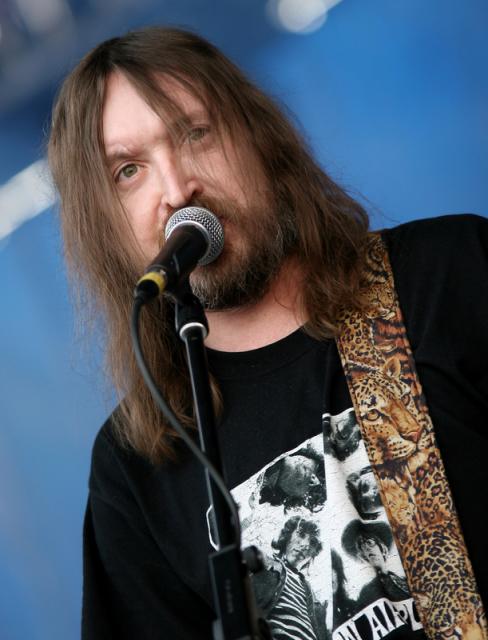
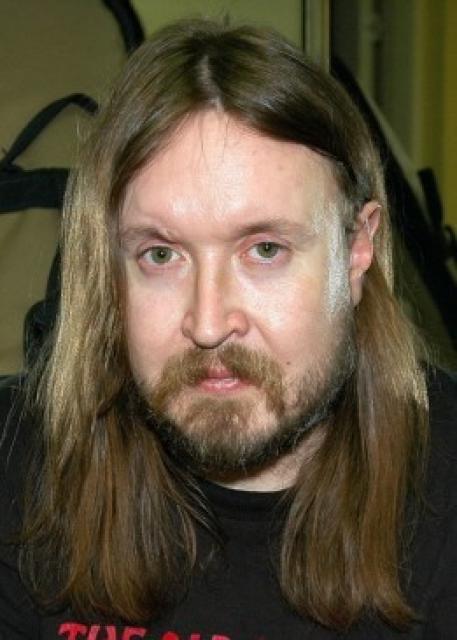
In 1982, Egor Letov and his friends, the most famous of whom was Konstantin Ryabinov ("Kuzma WO"), formed the rock band "Posev". In 1984, the band transformed into a new collective called "Grazhdanskaya Oborona," also known as "GO" and "GrOb". Due to various reasons, Letov and his bandmates recorded all their music in their apartments. Firstly, because the politically charged and harsh lyrics of their songs made the group a target of persecution by the authorities. Secondly, the band had no connections or money to record in a studio. And thirdly, Letov wanted to be independent from anyone. Even after the collapse of the Soviet Union, when most problems were left in the past, the band continued recording in a home studio. In the late 1980s, "Grazhdanskaya Oborona" gained popularity outside of Siberia, attracting the attention of authorities. In 1985, political persecution began. Letov was arrested and forcefully sent to a psychiatric hospital, where he spent the entire winter. In his autobiography, the musician wrote that he was heavily drugged with neuroleptics, which almost turned him into an idiot. He even temporarily lost his sight. Letov saved himself through his creativity. He spent the whole day composing poems and stories, which he then passed through the bars to his friend Oleg Sudakov. Deceiving both doctors and the KGB, Egor Letov returned home and continued making music. From 1987 to 1989, "Grazhdanskaya Oborona" recorded their best albums: "Krasny Albom" (Red Album), "Myshelovka" (Mouse Trap), "Nekrofiliya" (Necrophilia), "Voyna" (War), "Russkoe Pole Eksperimentov" (Russian Field of Experiments), and "Vse Idet Po Planu" (Everything Goes According to Plan). Despite their underground activities, Letov and "Grazhdanskaya Oborona" gained incredible popularity in the USSR, mainly among young people. According to some estimates, their fan base consisted of over 100,000 people. Letov became a cult figure, and some of his songs, such as "Vse Idet Po Planu," became anthems reflecting the decaying system of the late Soviet era. The band's popularity was a result of their powerful energy, simple, lively, and energetic rhythm, and their hard-hitting, unconventional lyrics based on raw yet sophisticated poetry.

Later Years and Legacy
In 1990, Letov stopped performing with "Grazhdanskaya Oborona" and formed a new project called "Egor i Opizdenevshie" (Egor and the Drunken Ones), with whom he recorded the albums "Sto Let Odinchestva" (One Hundred Years of Solitude) and "Pryg-Skok" (Leap-Jump). In 1993, he reassembled "GrOb" and recorded albums, continuing to perform concerts. In the 1990s, Letov became involved in politics. Initially, he was one of the leaders of the "Russky Proryv" (Russian Breakthrough) movement, and in 1994, he became a member of the "Natsional-Bol'shevistskaya Partiya" (National Bolshevik Party), which was banned several times due to its radicalism. In 2004, Egor Letov distanced himself from all political and nationalist forces and released the albums "Dolgaya Schastlivaya Zhizn" (Long Happy Life) and "Reanimatsiya" (Reanimation) over the next two years. Their release sparked renewed interest in the band, both in the press and among the general public. In 2007, the album "Zachem Snatsya Sny?" (Why Do We Dream?) was released, which became Letov's final work as an underground musician. In February 2008, Egor Letov passed away. Doctors diagnosed him with cardiac arrest. Letov never hid his personal life. His most well-known relationship was with Yanka Dyagileva, an underground musician and the founder of the band "Krasnye Oktyabri" (Red Octobers). In the last years of his life, Letov was married to Natalya Chumakova, who became the bass guitarist for "GO." Letov did not have any children. Egor Letov's body of work, which had a significant influence on the development of the punk movement, includes over 1000 compositions. He remains one of the most prominent and talented representatives of Russian rock to this day. Renowned musician Yuri Shevchuk once said that with Letov's death, a vital part of an era came to an end. He was the boundary, the extreme limit of freedom before complete lawlessness began.