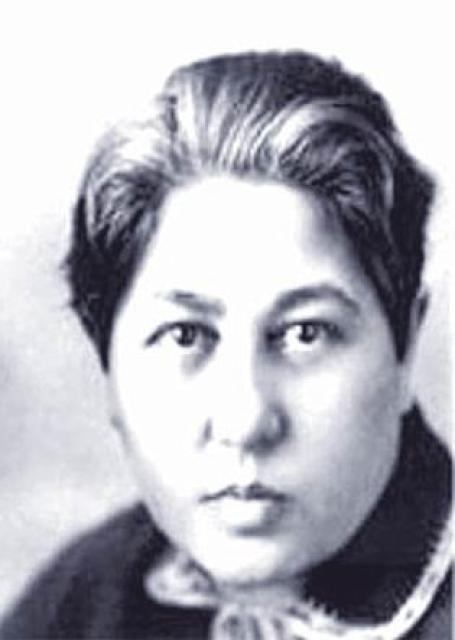
Ekaterina Voroshilova
- Early Life and Revolutionary Activities
- Marriage to Kliment Voroshilov
- Political and Social Influence
- Later Life and Health Issues
- Legacy and Cultural Impact
Early Life and Revolutionary Activities
Ekaterina Davidovna Voroshilova, born Golde Davidovna Gorbman, was born on July 14, 1887, in the village of Mardarovka, Ukraine, into a Jewish family. Her father, David Leib Gorbman, passed away in 1910 due to asthma. In 1897, she enrolled in the Odessa Professional School, graduating in 1902 and working as a seamstress.
Inspired by Serafima Gopner, Ekaterina became involved in revolutionary ideas and joined the Socialist-Revolutionary Party in 1904. Her activism led to her exile in Arkhangelsk Governorate, where she met and fell in love with Avel Yenukidze. Their relationship ended after Ekaterina became pregnant and had an abortion, resulting in permanent infertility.
Marriage to Kliment Voroshilov
In 1909, Ekaterina met Kliment Voroshilov, another exile, and developed deep feelings for him. After their release in September 1910, they returned to exile together despite resistance from a gendarme. To gain acceptance, they forged a portrait of Emperor Nicholas II and presented it to peasant witnesses, forcing the gendarme to allow Ekaterina to remain.
To marry, Ekaterina converted to Orthodox Christianity and adopted the name Yekaterina Davidovna Voroshilova. They joined the Bolshevik faction of the Russian Social Democratic Labor Party in 1917. Ekaterina became a dedicated supporter and assistant to her husband, caring for women, children, and the elderly during the Civil War.
Political and Social Influence
In 1924, Ekaterina played a significant role in exposing the actions of a welfare officer named Shalekhin, who denied pensions to former tsarist pensioners. Her intervention led to Shalekhin's removal and the resumption of pension payments.
An emigrant publication in 1925 attributed Voroshilov's political rise to Ekaterina's efforts. She allegedly inspired his intellectual interests and helped him establish connections within the ruling elite.
Later Life and Health Issues
Following an illness and surgery in 1928, Ekaterina gained weight and diminished her public appearances, becoming a recluse. She developed a reputation as a typical Soviet party official - austere, distant, and strictly businesslike.
Despite her public facade, Ekaterina's diary suggests that she maintained a strong bond with her husband. She expressed deep regret for the loss of his letters in a fire in 1949. In 1953, she was diagnosed with cancer, which she kept secret from Voroshilov.
Legacy and Cultural Impact
Ekaterina Voroshilova passed away in 1959 at the age of 72. She and Voroshilov never had biological children but adopted three: Petya, Timur, and Tanya. Her image inspired the character of Katya Ivanova, a stern party woman in the film "A Girl with Character."


