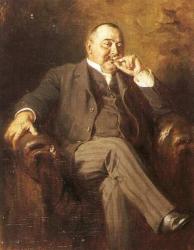
Eli Shehtman
 Ukraine
- Elya Shekhtman: A Yiddish Literary Luminary
- Literary Debut and Acclaim
- World War II and Imprisonment
- Epic Masterpiece: "Erev"
- Aliyah and Israeli Recognition
- Legacy and Impact
- Posthumous Recognition
Elya Shekhtman: A Yiddish Literary Luminary
Early Life and EducationElya Shekhtman was born into a humble Jewish family in Vaskovichi, Ukraine. He received a traditional Jewish education in a cheder and a yeshiva. After graduating from Odessa University with a degree in literature, he published his first story in 1927.
Literary Debut and Acclaim
In the 1930s, Shekhtman made his mark on Yiddish literature with the publication of three significant novels: "At the Crossroads" (1930), "Plowed Boundaries" (1932), and "Polesye Forests" (1940). "Plowed Boundaries" was translated into Ukrainian and published in 1937.
World War II and Imprisonment
Shekhtman joined the Red Army during World War II and fought against the Nazis. He reached Berlin and witnessed the horrors of war firsthand. During the "Doctors' Plot" in 1953, he was falsely accused of espionage and Zionism and imprisoned.
Epic Masterpiece: "Erev"
After his release from prison, Shekhtman embarked on his magnum opus, the epic novel "Erev" ("On the Eve"). The first two books of "Erev" were published in Yiddish in 1962. The complete novel was published in Yiddish in 1983 and has since been translated into multiple languages, including Hebrew, French, English, and Russian.
Aliyah and Israeli Recognition
In 1972, Shekhtman immigrated to Israel. The following year, he received the Israeli Prime Minister's Prize for Literature in Yiddish. He also published his acclaimed autobiographical novel "Rings on My Soul" in 1981 and 1988.
Legacy and Impact
Elya Shekhtman's literary legacy extends far beyond his lifetime. His works, including "Plowed Boundaries," "Erev," and "Rings on My Soul," have captured the struggles, triumphs, and complexities of Jewish life in the 20th century. His novels are regarded as classics of Yiddish literature and continue to inspire and resonate with readers worldwide.
Posthumous Recognition
After Shekhtman's passing, his collection of stories "Tristia" was published posthumously in 1996. His works have been translated into Russian and published in Israel, ensuring that his literary brilliance remains accessible to a global audience.