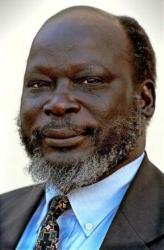
Elie Decazes
 France
- Élie Decazes: Statesman and Prime Minister of France
- Early Life and Career
- Political Career under the Bourbons
- Prime Ministership
- Downfall and Later Career
- Late Life and Legacy
Élie Decazes: Statesman and Prime Minister of France
Élie Decazes (1780-1860) was a prominent French lawyer, politician, and statesman who served as Prime Minister of France from 1819 to 1820.
Early Life and Career
Decazes was born in 1780 to a wealthy family in Bordeaux, France. He studied law in Paris and became a successful advocate and councilor in the Paris Court of Appeals. His support for the interests of Louis Bonaparte, the King of Holland, brought him into conflict with Napoleon Bonaparte.
Political Career under the Bourbons
After Napoleon's fall in 1814, Decazes joined the Bourbon regime. He was appointed Prefect of Police of Paris and then Minister of General Police. He gained the favor of King Louis XVIII and became a key adviser.
Prime Ministership
In 1819, Decazes became Prime Minister and pursued a policy of moderation known as "balancing." He aimed to reconcile France's political factions by upholding the constitutional charter and appeasing both liberal and conservative elements. He disbanded the ultra-royalist Chamber of Deputies in 1816 and passed an electoral law that favored the bourgeoisie.
Downfall and Later Career
Decazes's efforts to modify the electoral laws of 1817 led to the resignation of Prime Minister Dessolle's cabinet. Decazes became the official head of the new ministry. However, the assassination of the Duke of Berry in 1820 provoked outrage among ultra-royalists, and Louis XVIII was forced to dismiss Decazes.
After his dismissal, Decazes retired from politics and pursued industrial ventures. He founded the Decazeville ironworks and received the title Duke of Glücksberg from King Frederick VI of Denmark through his wife.
Late Life and Legacy
In 1838, Decazes became the Grand Commander of the Supreme Council of France, a Masonic organization. He died in 1860, leaving behind a legacy as a moderate statesman who sought to bridge the political divisions of his time.