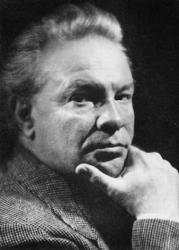
Engelbert Humperdink
 Germany
- Engelbert Humperdinck: German Opera Composer
- Collaboration with Wagner and Weimar Premiere
- Orchestral Brilliance and Melodic Freshness
- Other Works
- Later Years and Legacy
Engelbert Humperdinck: German Opera Composer
Early Life and EducationEngelbert Humperdinck was born on September 1, 1854, in Siegburg, Germany. He studied music in Cologne and Munich, and traveled extensively throughout Europe, including a formative encounter with Richard Wagner in Italy in 1881. Wagner invited him to assist in preparing the score for his opera "Parsifal."
Collaboration with Wagner and Weimar Premiere
Humperdinck played a significant role in the Bayreuth Festival, helping Wagner with "Parsifal" and other productions. He then studied in Spain and Germany, eventually returning to Weimar in 1893 to stage his most celebrated opera, "Hansel and Gretel." Based on the Brothers Grimm fairy tale, the opera was an immediate success, earning him widespread recognition.
Orchestral Brilliance and Melodic Freshness
Humperdinck's musical style reflected the influence of Wagner, with its rich orchestral textures and distinctive melodic writing. His music was notable for its vivid orchestration and lyrical freshness.
Other Works
In addition to "Hansel and Gretel," Humperdinck composed music for various dramatic productions, including Max Reinhardt's "The Miracle" ("Das Wunder"). He also wrote four other operas, including "Königskinder" ("Royal Children").
Later Years and Legacy
Humperdinck's career continued until his death in Neustrelitz, Germany, on September 27, 1921. His enduring legacy as a German opera composer is evident in the enduring popularity of "Hansel and Gretel" and the influence of his musical style on subsequent generations.